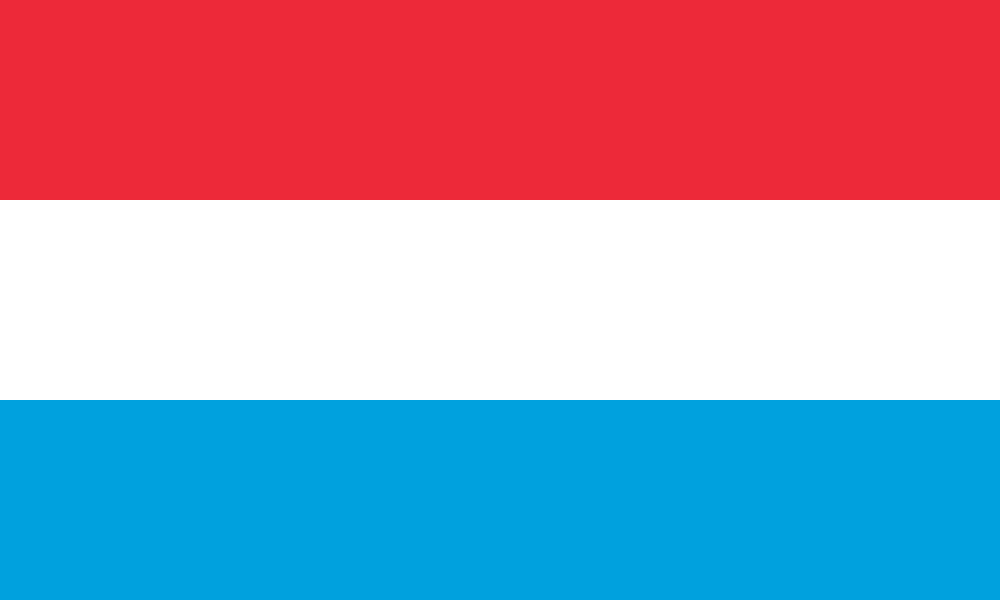
How to Distinguish
- Country-code top-level domain is .lu
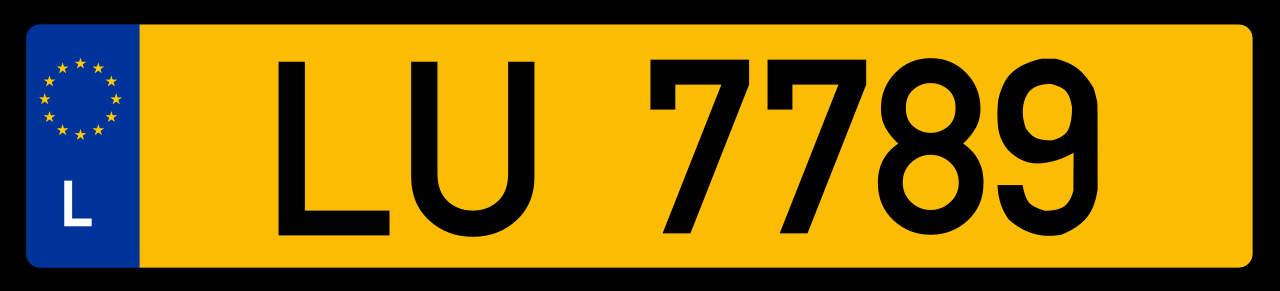
- License plates are yellow front and rear
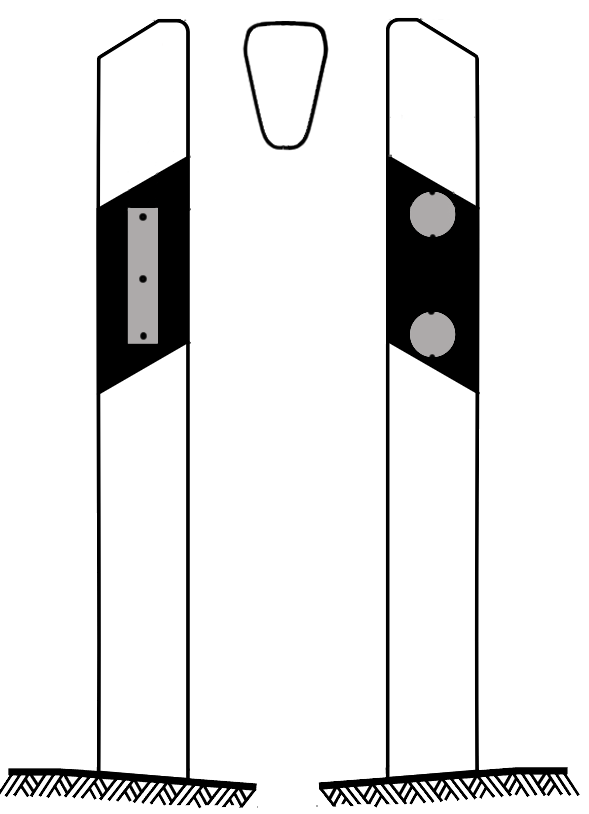
- Bollards lack orange reflectors and instead use grey bands
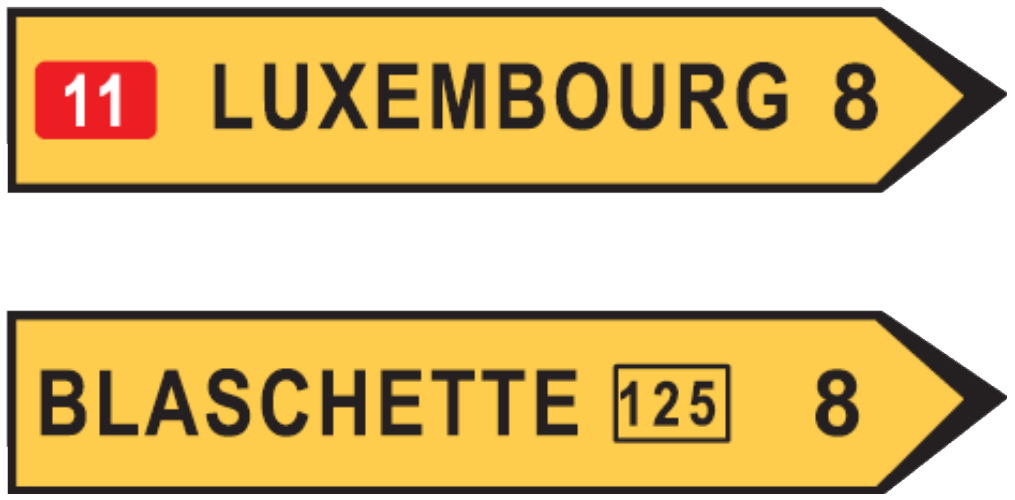
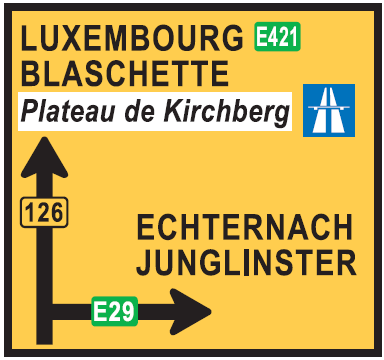
- Road signs frequently include French alongside other languages
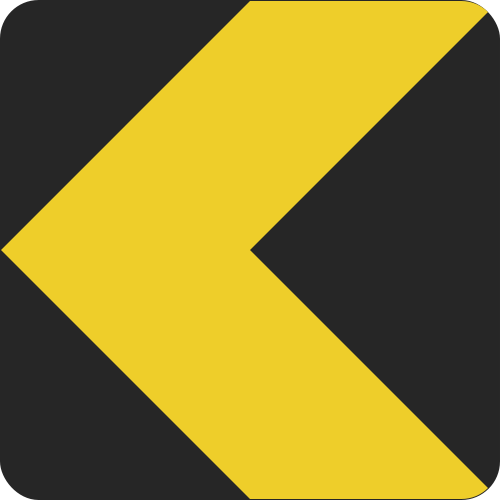
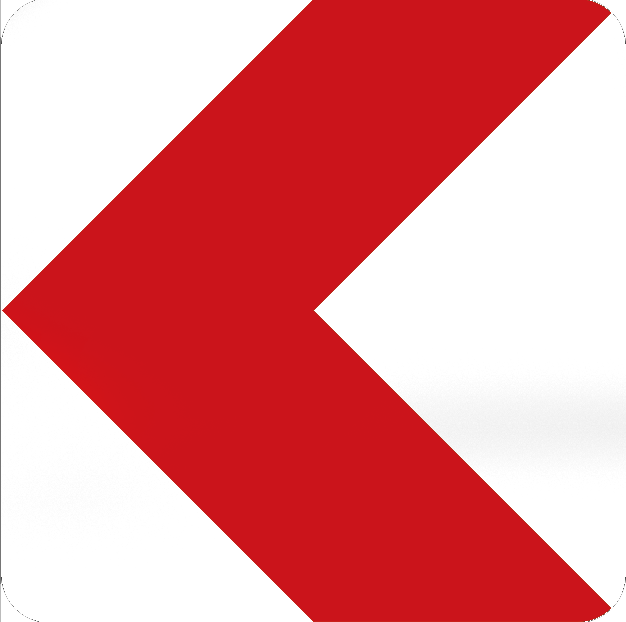
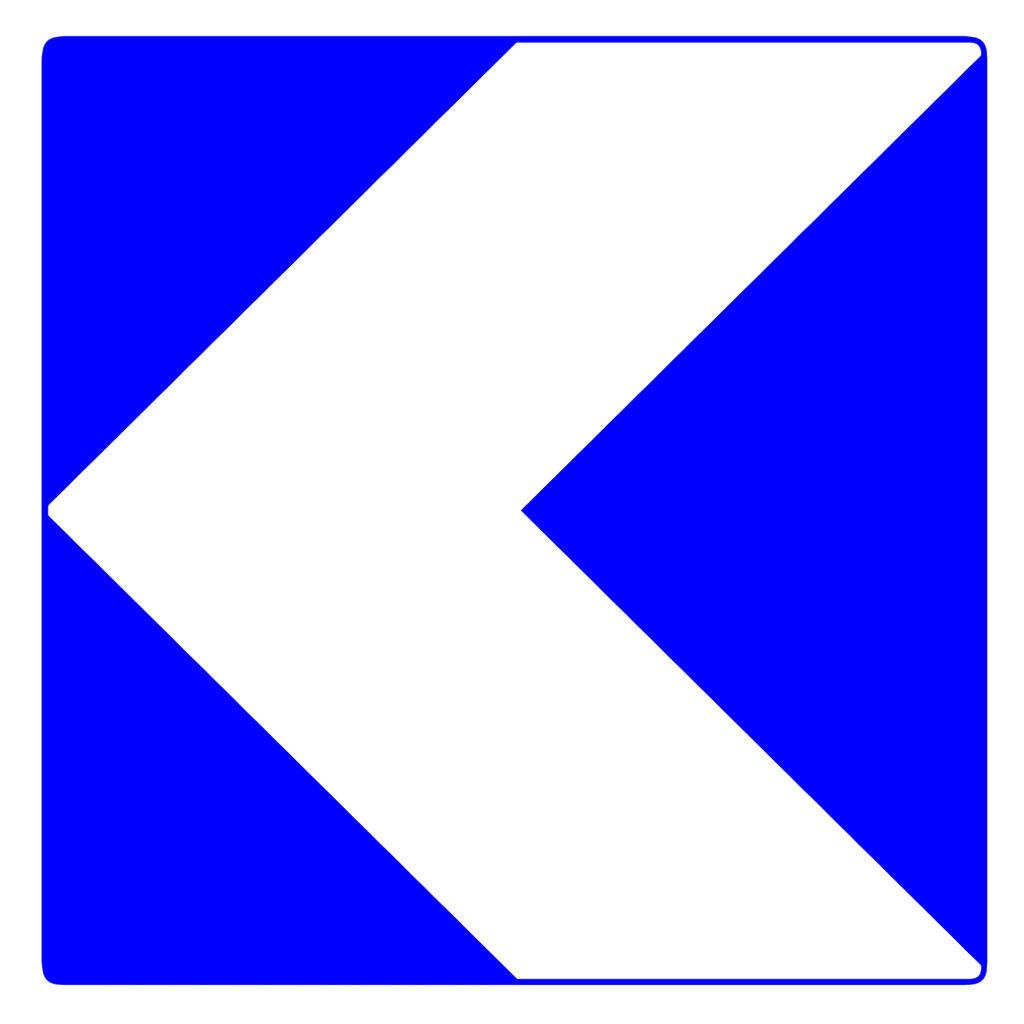
- Chevron boards often show white arrows on a dark-grey background
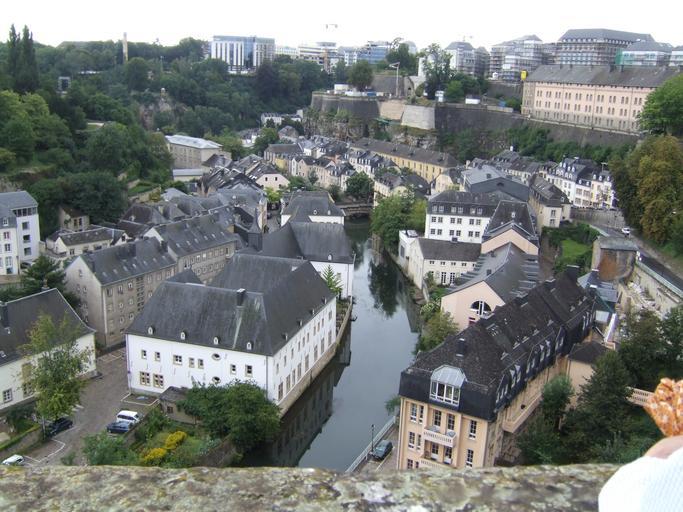
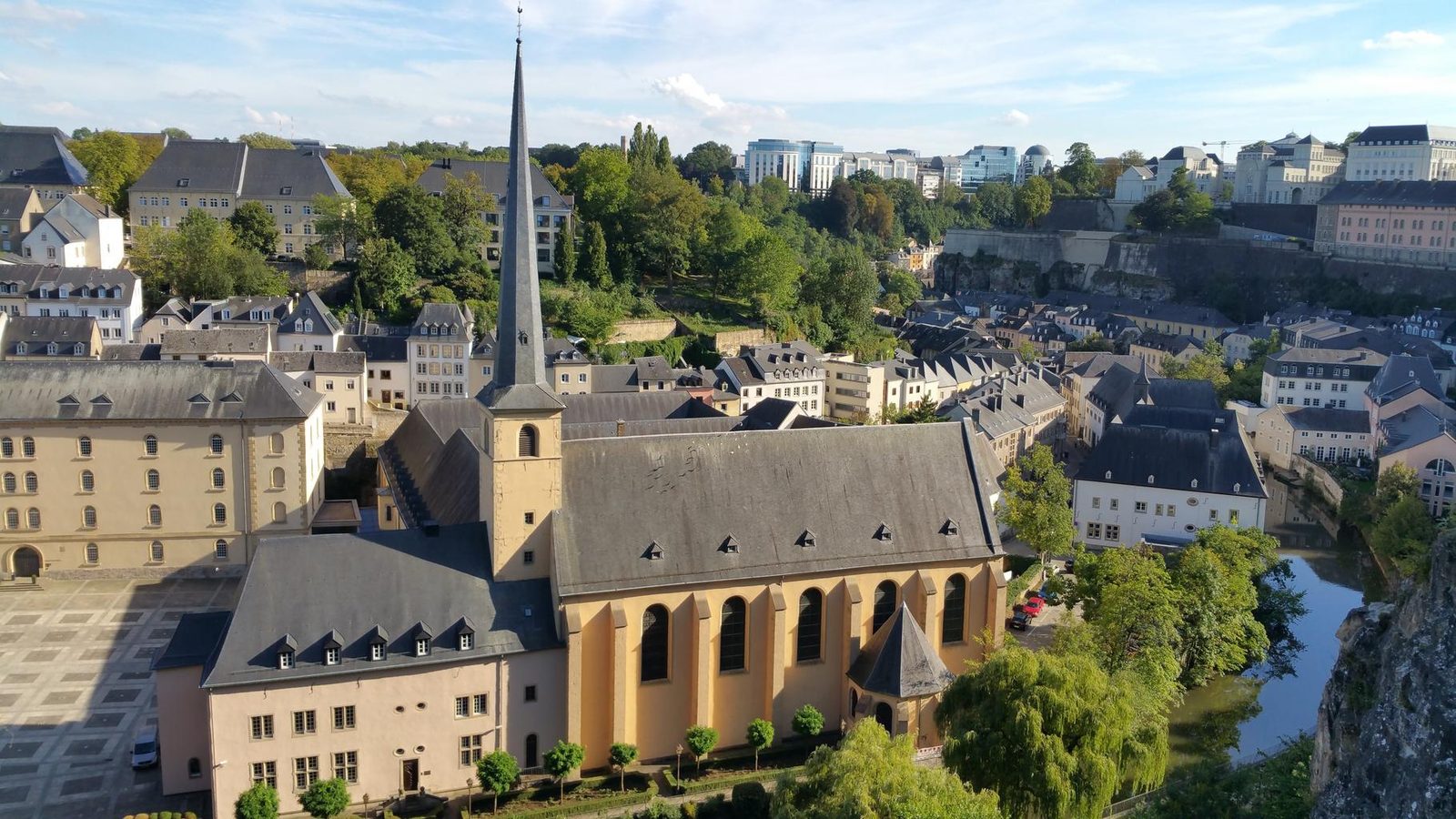
- Compared with the Netherlands, expect hillier terrain, fewer canals, lighter-coloured houses, and fewer dedicated cycle paths House styles › Luxembourg (Japanese)
Signs you can find
Representative Companies ▾ 詳細
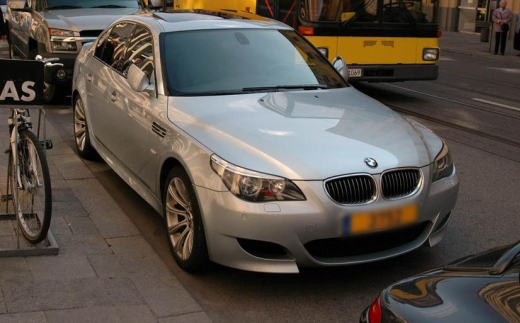
License plates are yellow both front and back. Luxembourg’s GDP per capita is roughly 2.5× the EU average, so premium makes such as Volkswagen, Mercedes, and Audi dominate sales (References Luxembourg 2022 car market report). By contrast, the Netherlands features many Kia and Toyota models.

By Willtron, CC BY-SA 3.0, Wikimedia Commons
Luxembourg bollards have grey reflective strips with no red-orange segments. They resemble German bollards, but the reflector screws sit in different positions—check nearby posts when in doubt (more research still needed!).
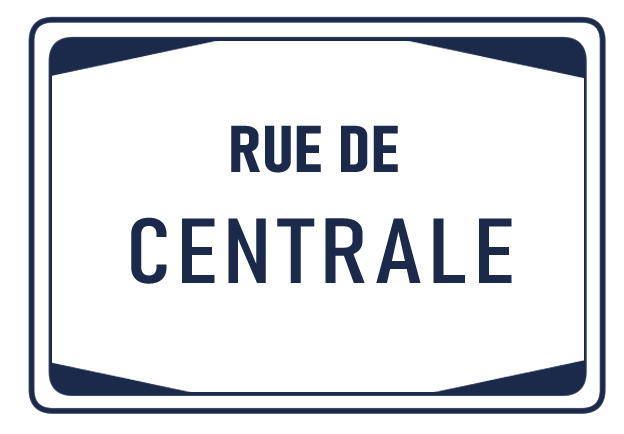
Yellow diamond town signs display place names . Street-name plates commonly use a white background (by Geotips ) and bilingual French/German direction boards are widespread. Octagonal street plaques like the ones below are also typical. Scale and fonts in the illustration are approximate.

Among neighbouring countries, only Luxembourg uses chevrons with white arrows on a dark-grey panel. Belgium and the Netherlands favour red-and-white designs, while France mixes red-white and blue-white variants (References European chevron sign map).
Narrow down state/region
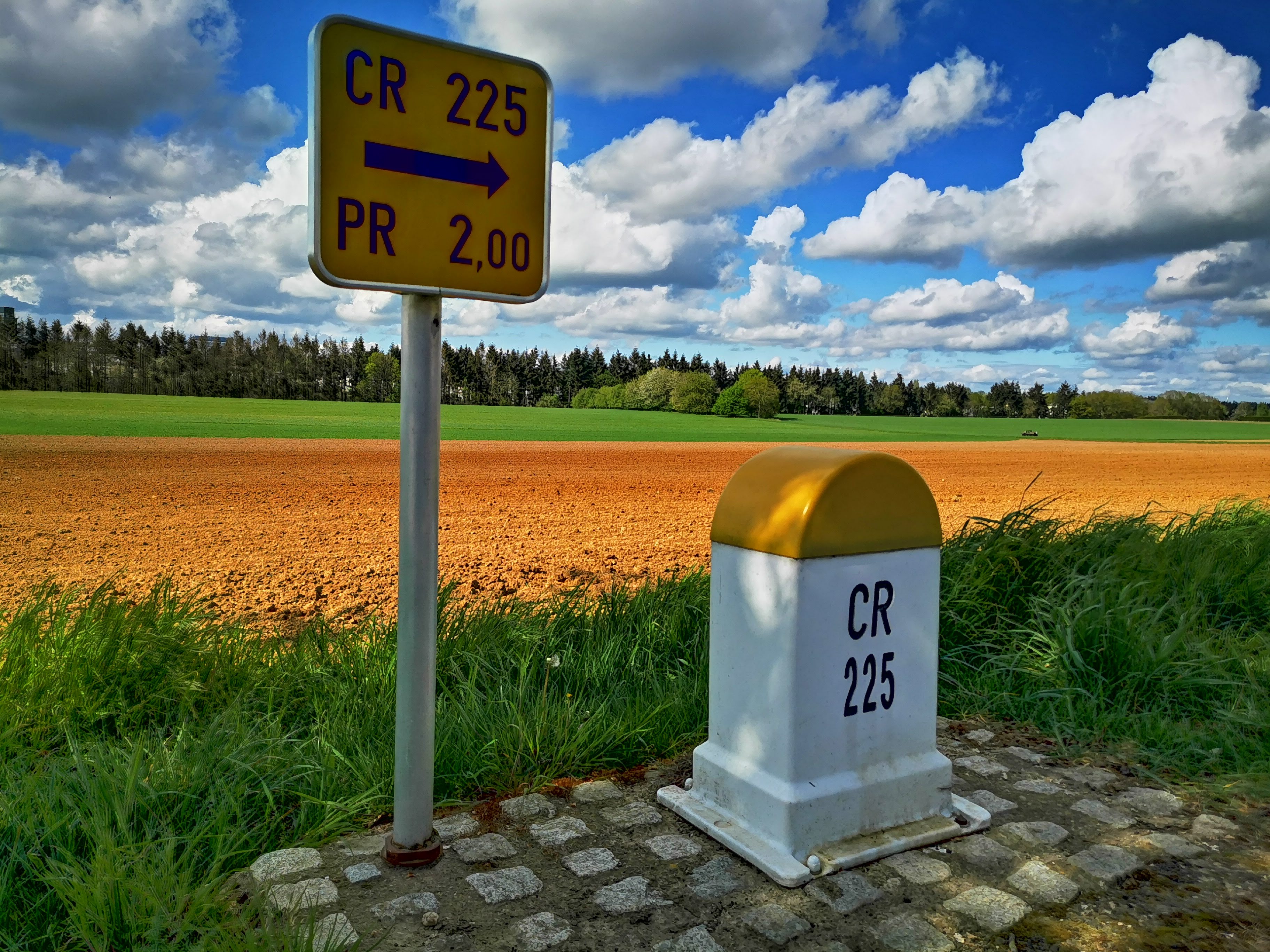
- If roadside bollards display CR###, check the map for the matching yellow-numbered road.
Posts marked with CR ### correspond to yellow secondary routes on the map. If the post shows N ### , look for the red-numbered national roads instead.
By GilPe - Own work, CC BY-SA 3.0, Link