Language & Script★★★
The language is Spanish.

 Peru
Clues that work anywhere in this area
The language is Spanish.
Bollards are often triangular prisms with the top painted yellow or red. There are a few variations, but the white body with yellow paint design is rarely seen outside Peru.

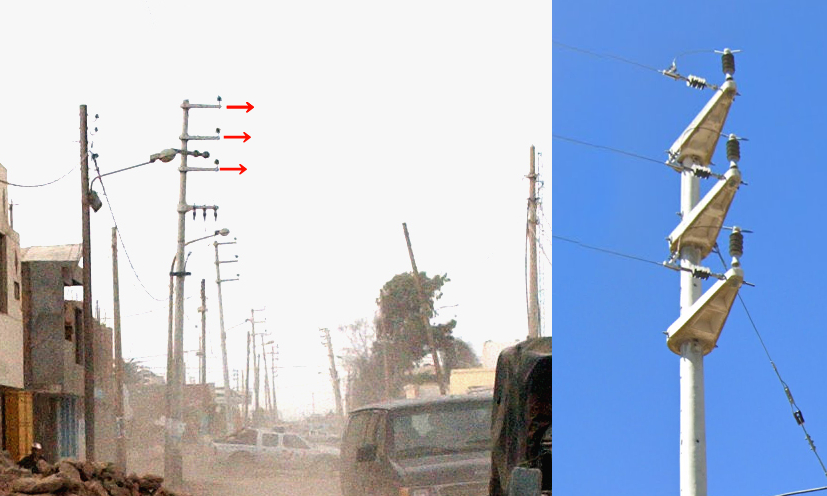
Some utility poles have about 3 crossarms sticking out in the same direction.
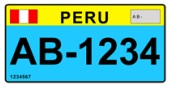
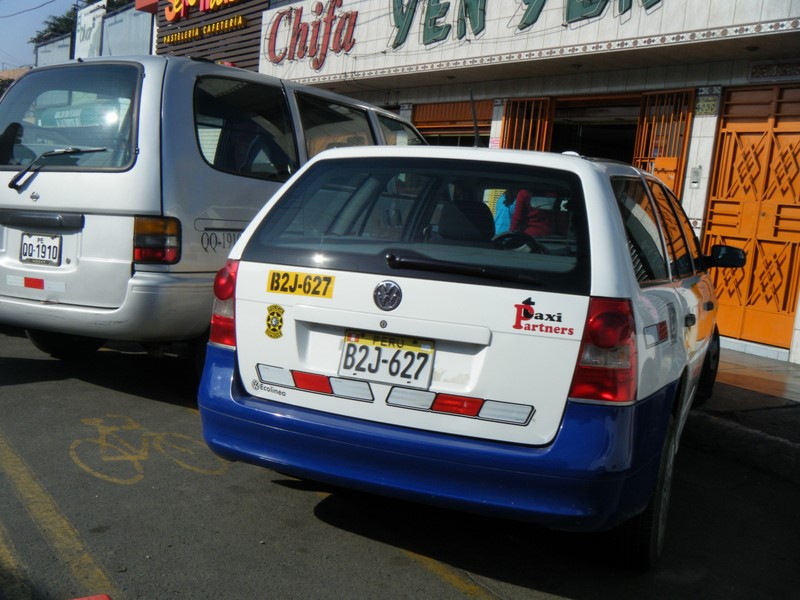
If a license plate has a non-blue color on the top band, Peru or Ecuador is likely. Buses use green or orange, and taxis and trucks use a near-fluorescent yellow.
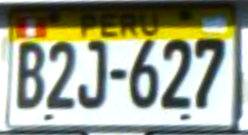
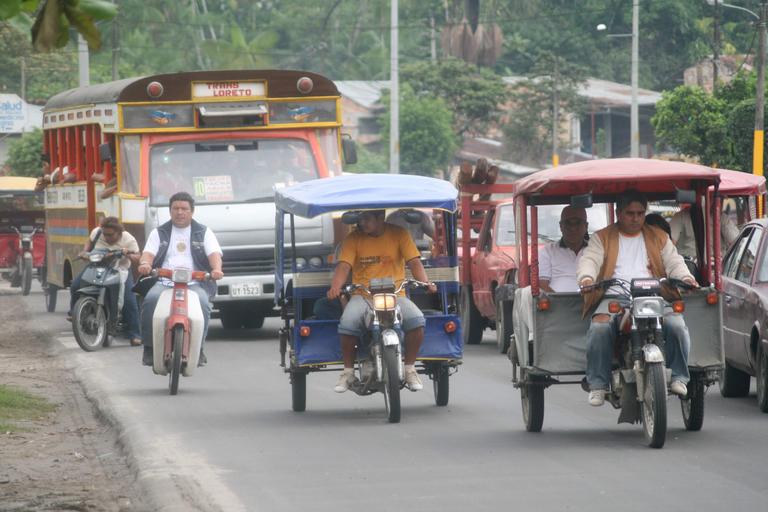
Motorbike-like or tuk-tuk-like vehicles sometimes have a light-blue license plate.
A black or white Google Car appears here. In South America, Argentina and Uruguay use the same black Google Car.
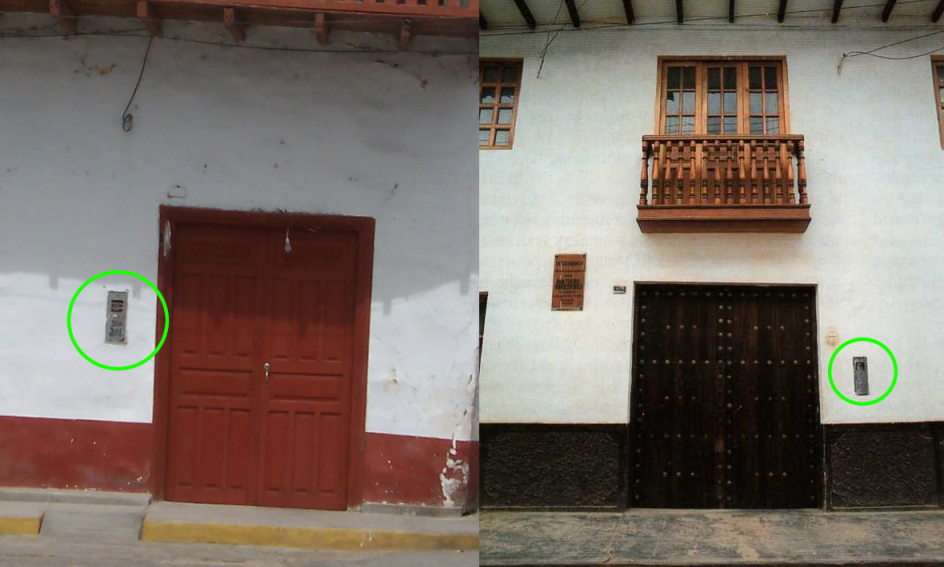
Once you know the area: which part of it
Area Code
Phone area codes are assigned by region. When a number shows up on a sign, an advert or a van, its leading digits narrow the location down to a part of the country.
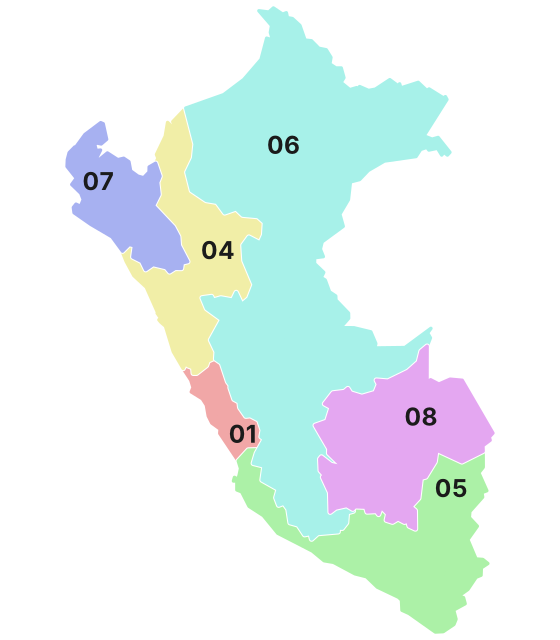 Coloured by leading digit
Where Terrain clues apply2
Click an item to jump to its clueTap to show the range; tap again or → to jump to the clue
The Chala (coast) is desert running along the entire coastline, but only the northernmost Tumbes and Piura turn into dry forest, with scattered shrubs like algarrobo (Prosopis) on whitish sandy ground. The inland Tambo Grande area has a few trees, while the coast itself is often completely treeless.

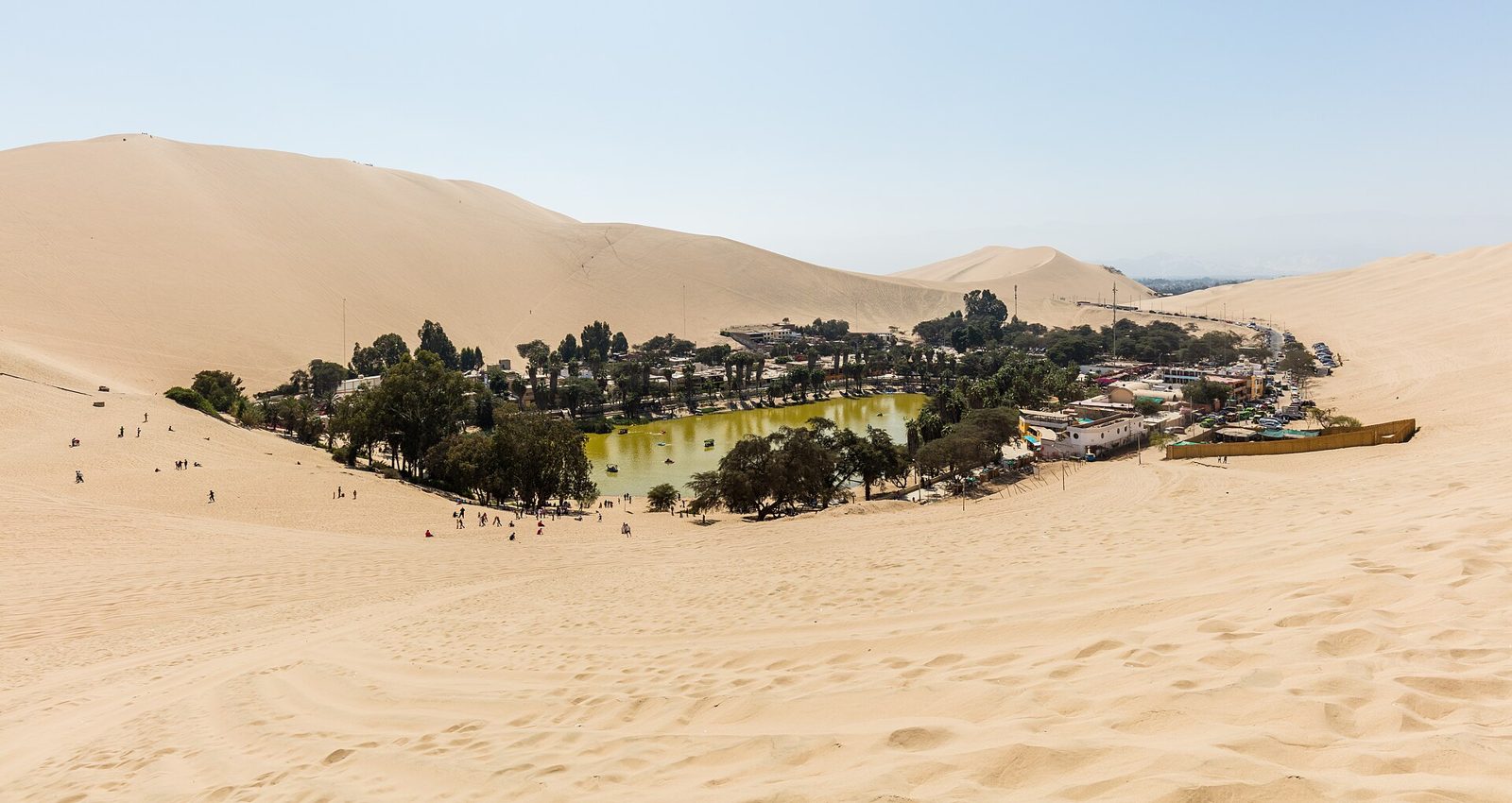
The central-to-southern coast (Ica, Arequipa, etc.) is a flat sand-and-rock desert with almost no vegetation, closely resembling northern Chile. Looking east, mountains are often visible in the distance. Only river valleys form narrow strips of green farmland.
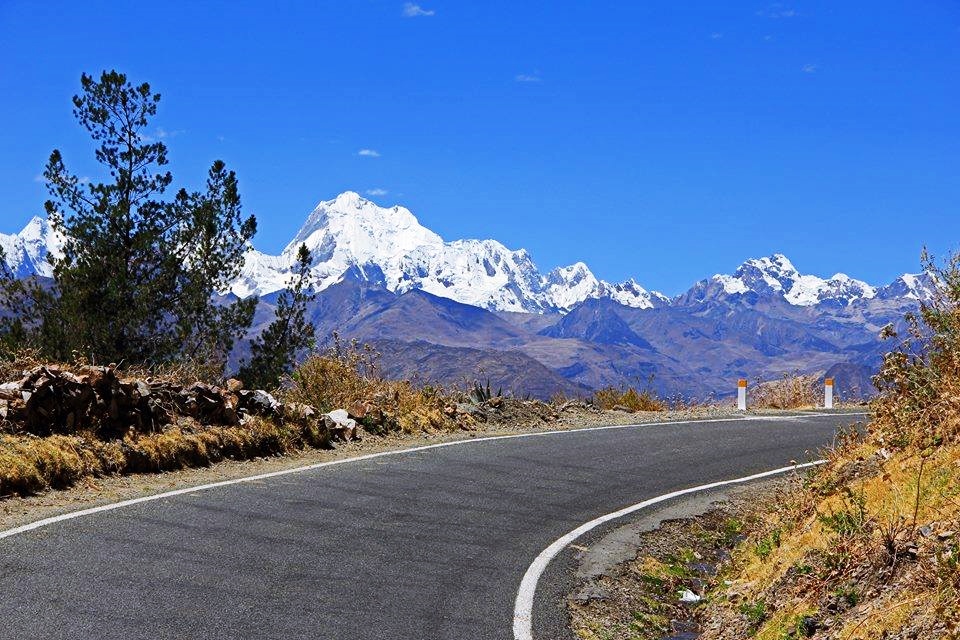
The Janca (above 4,800m elevation) is a region of rocky peaks covered in snow and glaciers. In particular, the Cordillera Blanca east of Huaraz in Áncash department is home to Huascarán (6,768m), the highest tropical peak in the world — snow-capped mountains can appear even though the setting feels tropical.
Where Vegetation clues apply5
Click an item to jump to its clueTap to show the range; tap again or → to jump to the clue
The Yunga (the western Andean slope at 500-2,300m elevation) is a narrow, deep valley on the way up from the coast to the mountains. With almost no rain, its slopes are bare rock with only scattered cactus and shrubs, while only the valley floor has orchards of avocado and other fruit.
The Quechua (2,300-3,500m elevation) is the most densely populated part of the Andes — a gentle basin or valley. Small, neatly divided plots of corn and potatoes line the slopes, and eucalyptus or pine plantations are common.
The Puna (4,000-4,800m elevation) is a highland plateau dotted with lakes and ponds, covered in grassland of a tough grass called ichu, with almost no trees. It's widespread in the south (around Lake Titicaca through inland Arequipa, Moquegua, and Tacna). Alpacas, llamas, and stone-wall enclosures are also telltale signs.
A yellow-green, dome-shaped mass clinging to rocks or the ground at high elevation is yareta (Azorella compacta). It grows in the Puna above 3,200m and is common in the southern highlands of Peru.
The Rupa-Rupa (selva alta, 400-1,000m elevation) is the eastern Andean slope, receiving more rain than anywhere else in Peru. Mountains blanketed thickly with tall trees stretch on, resembling the hill country of Colombia or Brazil. The area around Moyobamba and Tarapoto (San Martín department) is part of this zone.
The Omagua (selva baja, 80-400m elevation) is Amazon lowland jungle to the east. Tall trees, mixed with palms, grow densely across flat land, rivers meander widely, and there's plenty of wetland that floods in the rainy season. Street View exists only in a few places, such as the road between Iquitos and Nauta in the northeast.
Where Agriculture clues apply3
Click an item to jump to its clueTap to show the range; tap again or → to jump to the clue
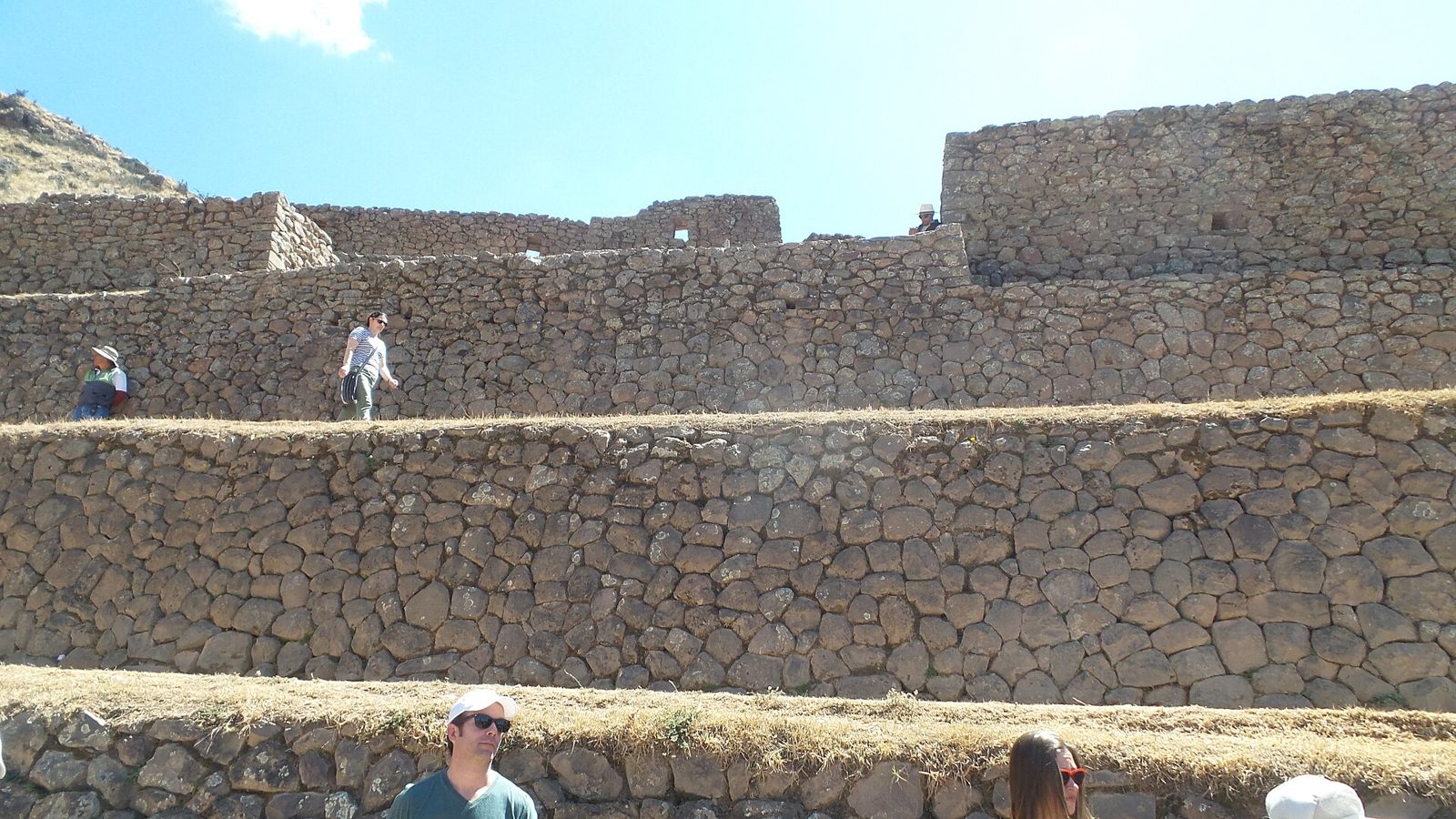
A mountainside carved into long, narrow, stone-walled steps, with fields planted on them, is an Andean terrace (andenes). They're found throughout the Andes wherever there are mountain villages, so this alone doesn't narrow it down to a department.
A patch of dark green fields, sharply squared off and divided by canals, floating in the middle of the desert — that's Ica department. Grapes (for wine and pisco) and cotton are the main crops.
In Arequipa, rice paddies only exist right along rivers, wherever water is available. The look is quite distinctive, so it's easy to spot.
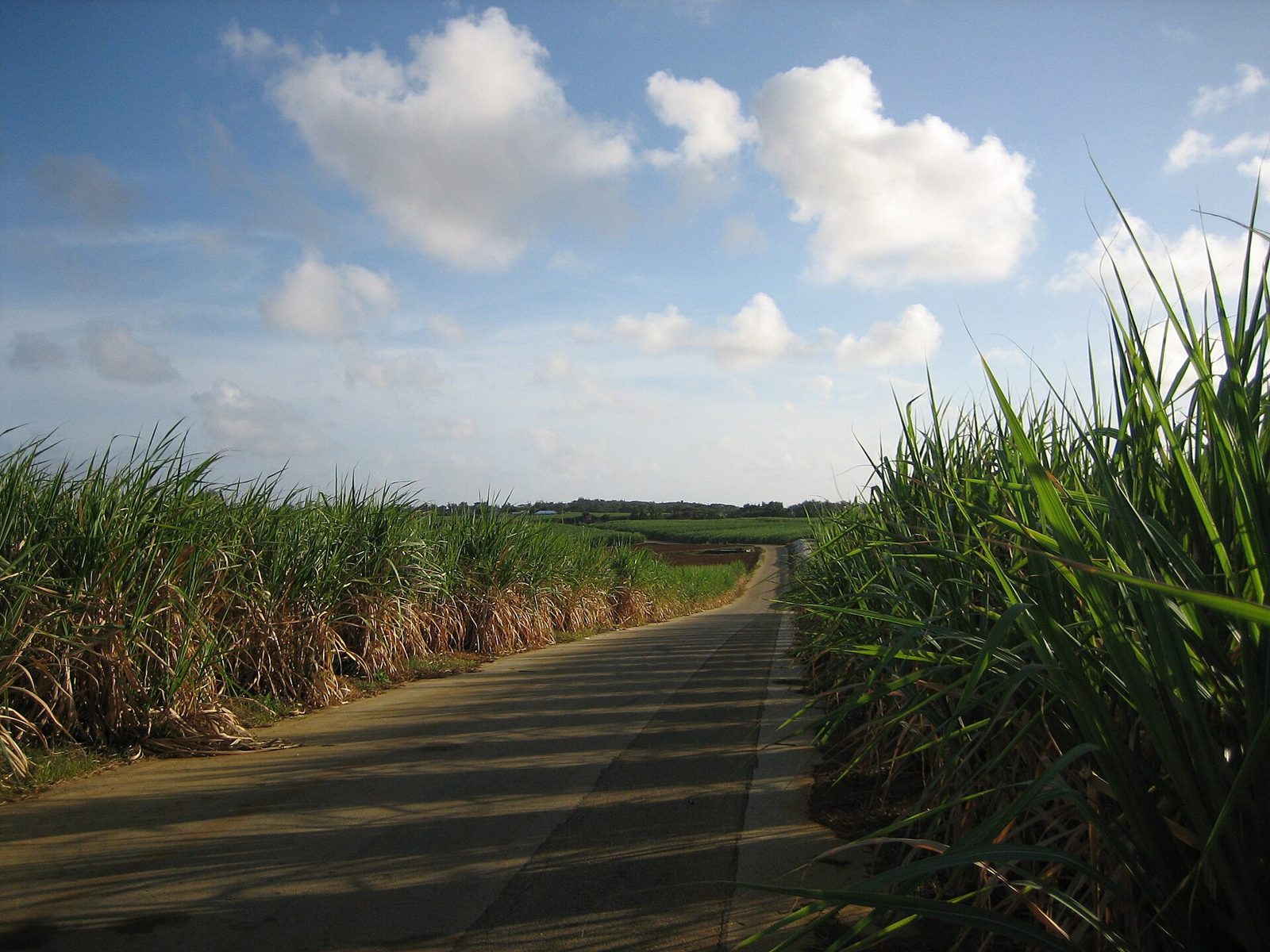
A field of dense, taller-than-a-person grass spreading unbroken across an otherwise desert coastline is sugar cane — the northern coast. It is centred on La Libertad department (the Chicama Valley north of Trujillo, for example) and continues into coastal valleys in places like Lambayeque.
In dry highland mountains, a huge open-pit mine carved into terraces, square settling ponds, and roads with heavy ore-hauling trucks mean a mine. Major copper mines include Antamina in Áncash and Cerro Verde in Arequipa, while gold is concentrated at Yanacocha in Cajamarca.
Once you know the region: which city or town
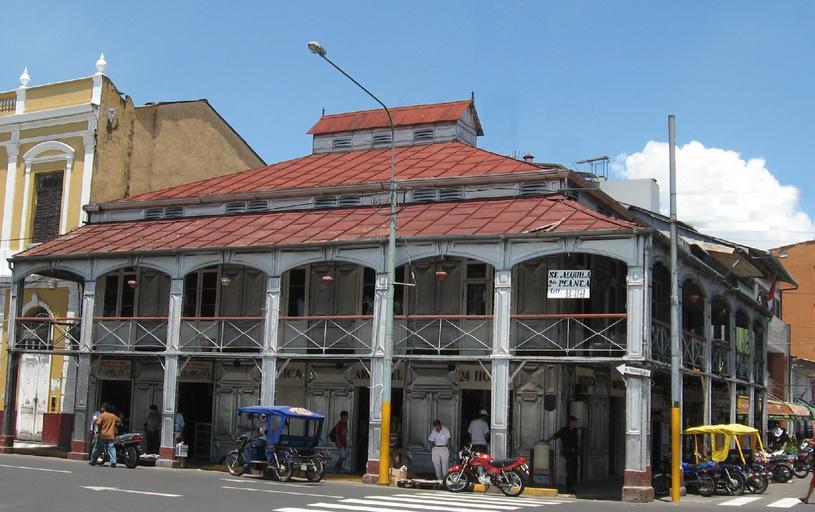
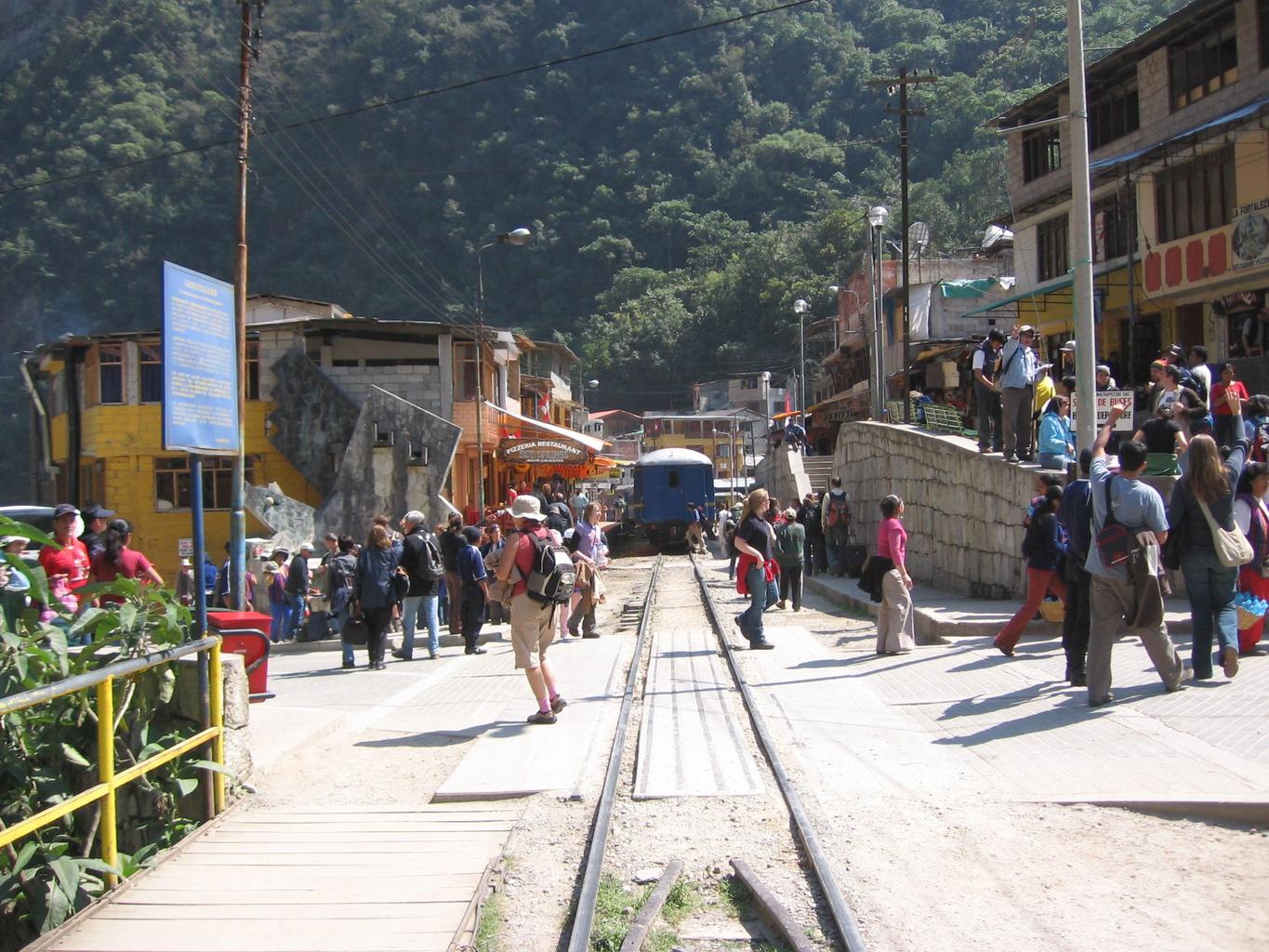
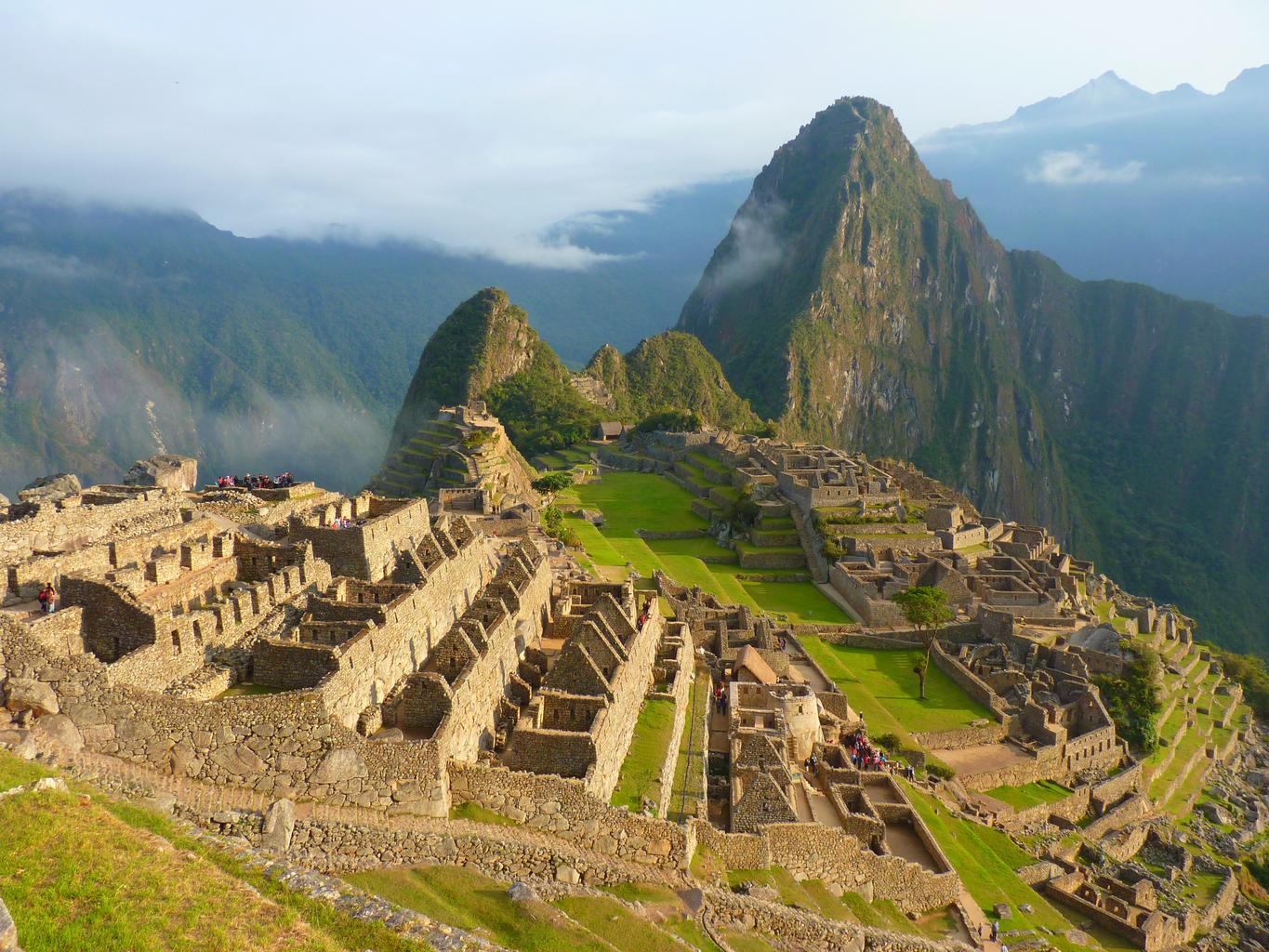
Machu Picchu and the area around Aguas Calientes station are ringed by mountains. A distinctive Google Car is often clearly visible, and much of it was shot on foot.
No clues for this category and place yet.
Hover a region on the map to see its name

The largest cement company in northern Peru.