Language & Script★★★
The language is Spanish.

 Mexico
Clues that work anywhere in this area
The language is Spanish.

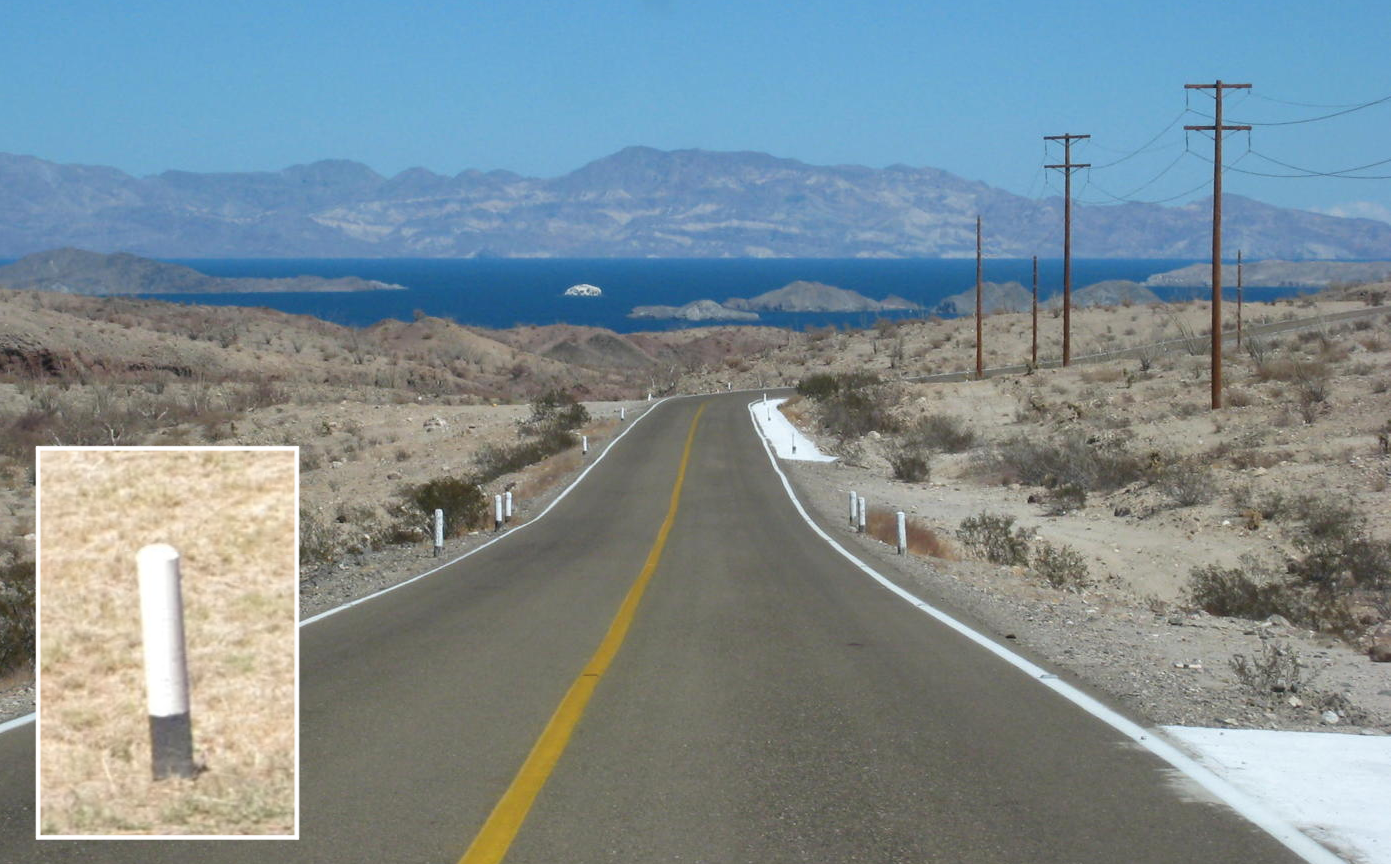
Octagonal utility poles are common. If a pole has "-MEX" written on it, you can be confident it's Mexico.
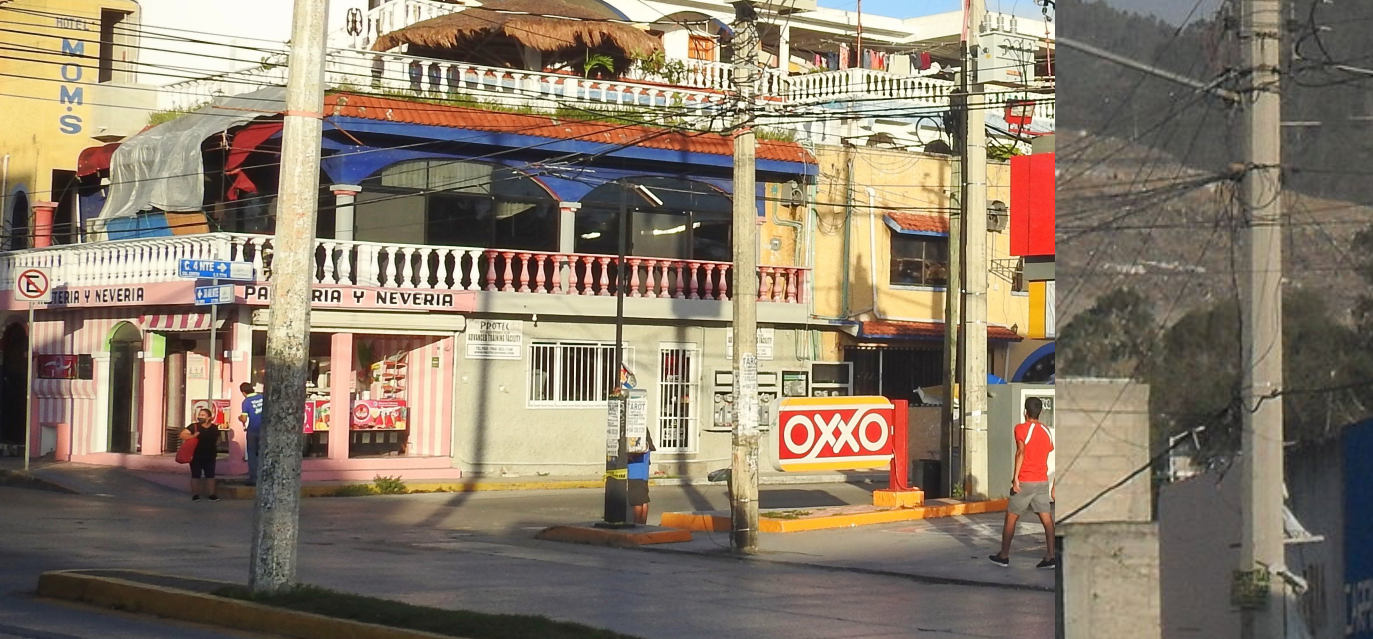


Houses often have a round electric meter mounted on them.

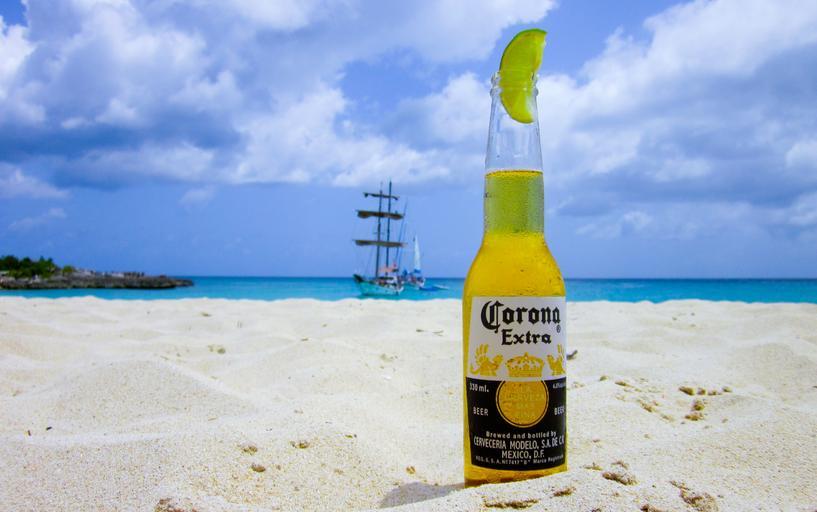
You can spot the logo of Corona beer, brewed by Mexico's Grupo Modelo.
Once you know the area: which part of it
Area Code
Phone area codes are assigned by region. When a number shows up on a sign, an advert or a van, its leading digits narrow the location down to a part of the country.
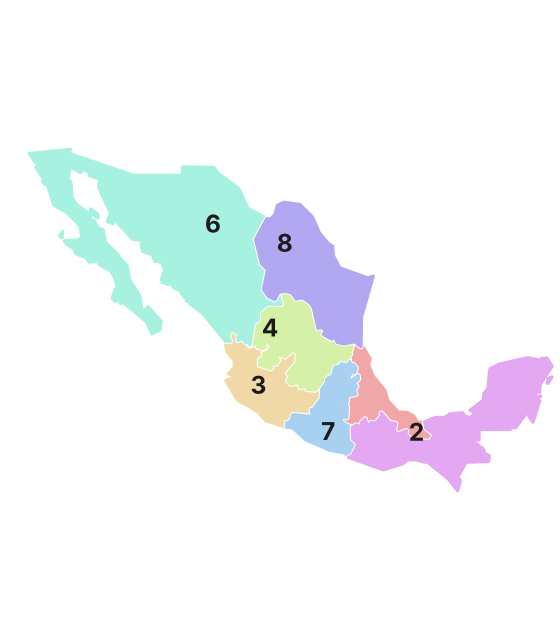 Coloured by leading digit
License Plate
In the game plates are blurred, so only colours and bands show. The plates on the map are that blurred look. Hover or tap a state to see the plate unblurred and whether a front plate is required.
Simplified drawings: only the colours and bands as they appear blurred, not the real artwork. Light and angle change the colours. Mexican states replace all plates about every three years, so band colours differ by year even within a state. The 2016–2022 series are shown here.
AguascalientesAGU
White with a blue band at the top (red on the 2016 series)
Baja CaliforniaBCN
White with a blue band at the top (maroon on the 2020 series)
Baja California SurBCS
White with a purple band at the top and a colourful bottom (teal top on the 2022 series)
CampecheCAM
White with a black floral band at the top and green patterns at the bottom
ChiapasCHP
White with red at the bottom (the state name is red too)
ChihuahuaCHH
White with a navy band at the bottom (light-blue top and teal text on the 2022 series)
CoahuilaCOA
White with green at the bottom (green state name)
ColimaCOL
White with green hills at the bottom (almost plain white on the 2022 series)
Mexico CityDIF
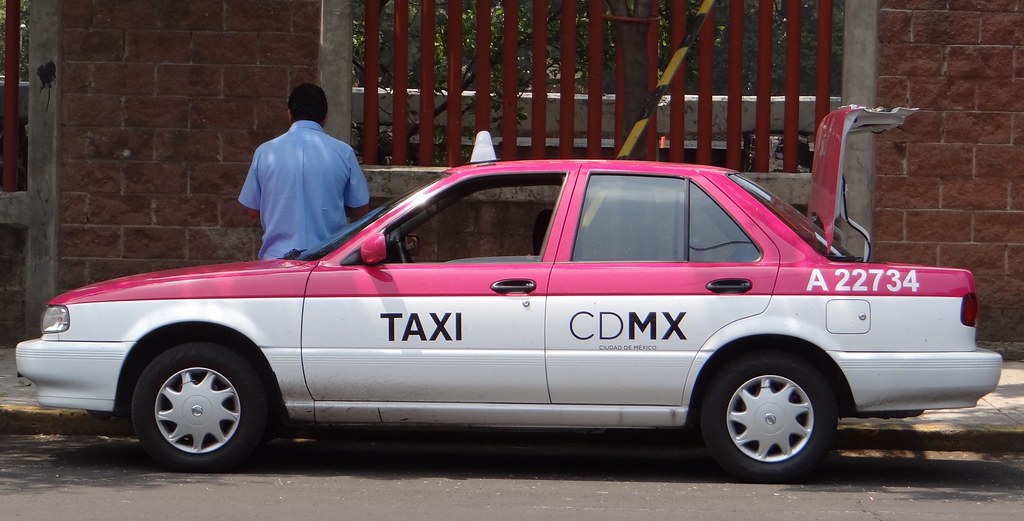
White with black text; the "CDMX" at the top is pink
DurangoDUR
White with blue text and a red state name at the bottom
GuanajuatoGUA
White with a blue band at the bottom (almost plain white on the 2017 series)
GuerreroGRO
White with a purplish patterned band at the bottom (red on the 2022 series)
HidalgoHID
White with a red band at the bottom
JaliscoJAL
White with black text and a faint light-blue top (almost plain white on the 2017 series)
State of MexicoMEX
White with pink-purple mountains at the bottom (red state name at the top on the 2016 series)
MichoacánMIC
Plain white with black text
MorelosMOR
White with black text and a pink flower at the bottom right (purple state name on the 2017 series)
NayaritNAY
White with a pink band at the bottom (teal on the 2021 series)
Nuevo LeónNLE
Plain white with black text
OaxacaOAX
White with a colourful band at the top and a black band at the bottom
PueblaPUE
White with a red band at the bottom (light blue on the 2019 series)
QuerétaroQUE
White with navy bands at the top and bottom
Quintana RooROO
White with navy at the top and green at the bottom (light-blue wave at the bottom on the 2020 series)
San Luis PotosíSLP
White with a green band at the top and red-green patterns at the bottom
SinaloaSIN
White with black text and a red state name at the bottom
SonoraSON
White with black text, a blue state name at the top and a faint light-blue bottom
TabascoTAB
White with a red state name at the top and colourful flowers at the bottom
TamaulipasTAM
White with a green-teal band at the bottom
TlaxcalaTLA
White with a red band at the bottom (red border on the 2017 series)
VeracruzVER
White with a blue state name at the top and a grey band at the bottom
YucatánYUC
White with a green band at the top and a red state name (almost plain white on the 2020 series)
ZacatecasZAC
White with a colourful state name at the top and sand-coloured patterns at the bottom
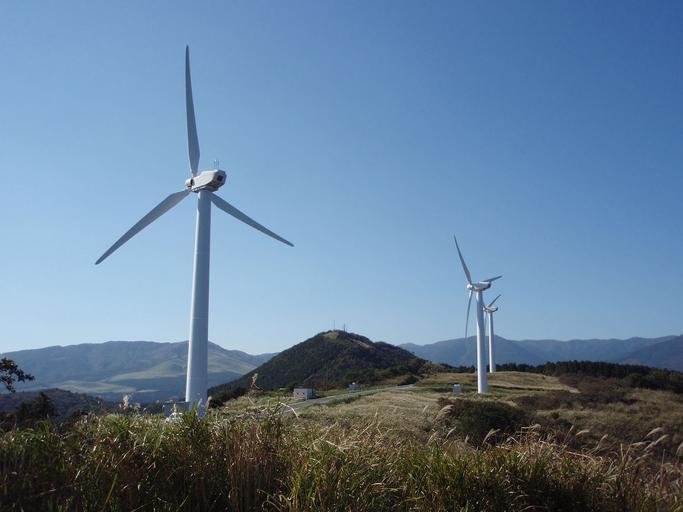
Wind farms are concentrated in a fairly limited set of areas by state, and in Mexico they cluster in part of the east.
Where Landscape and terrain clues apply6
Click an item to jump to its clueTap to show the range; tap again or → to jump to the clue
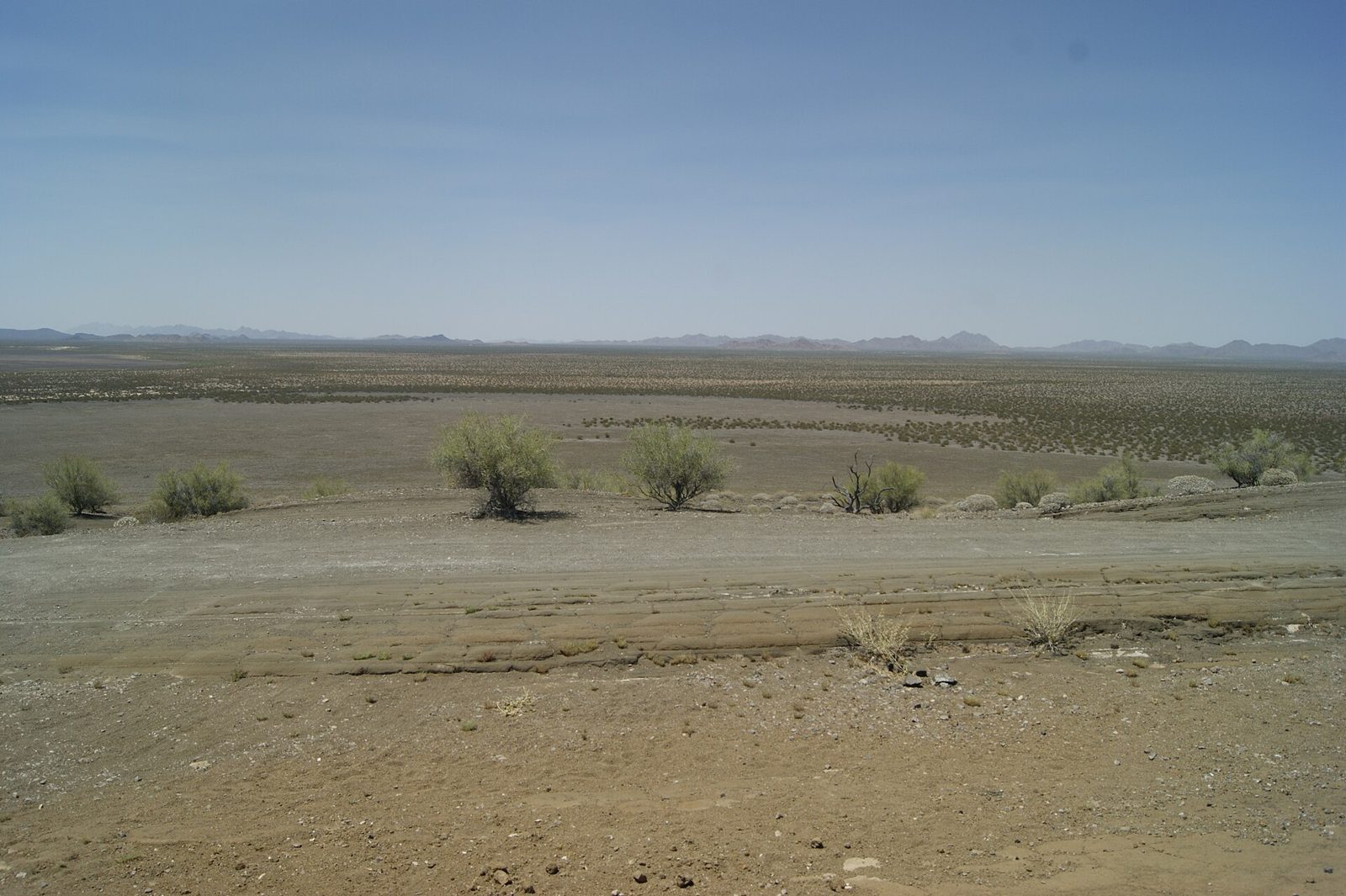
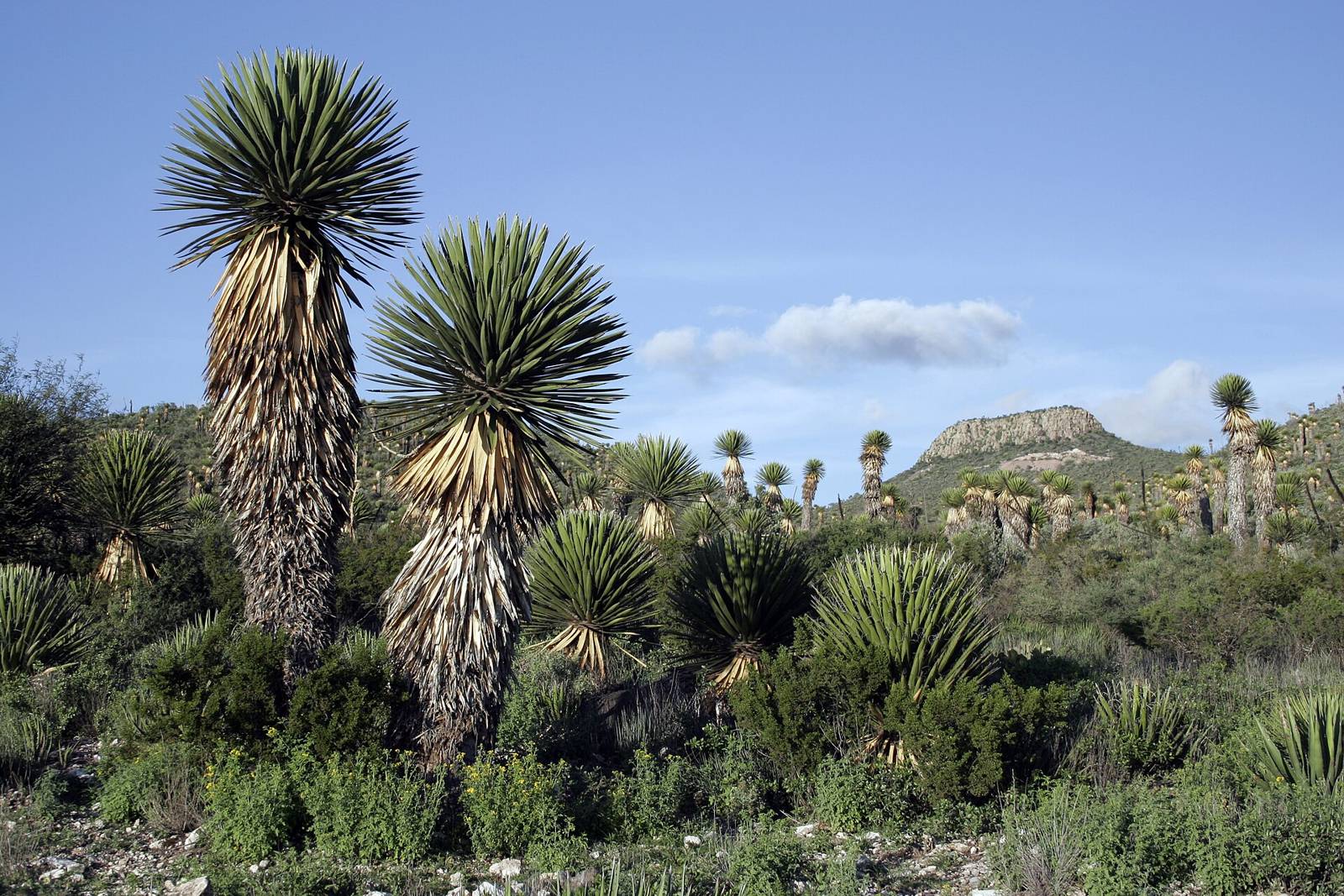
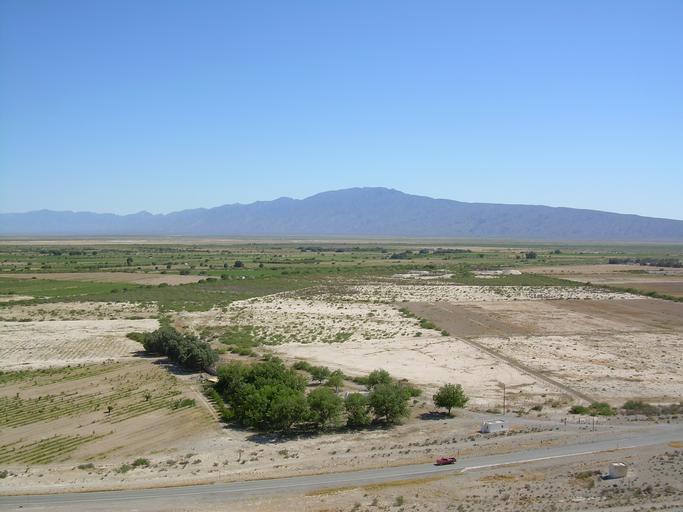
The central part of the country holds the Mexican Plateau, a broad flat tableland. There are often mountains on both sides of the road, or in every direction.
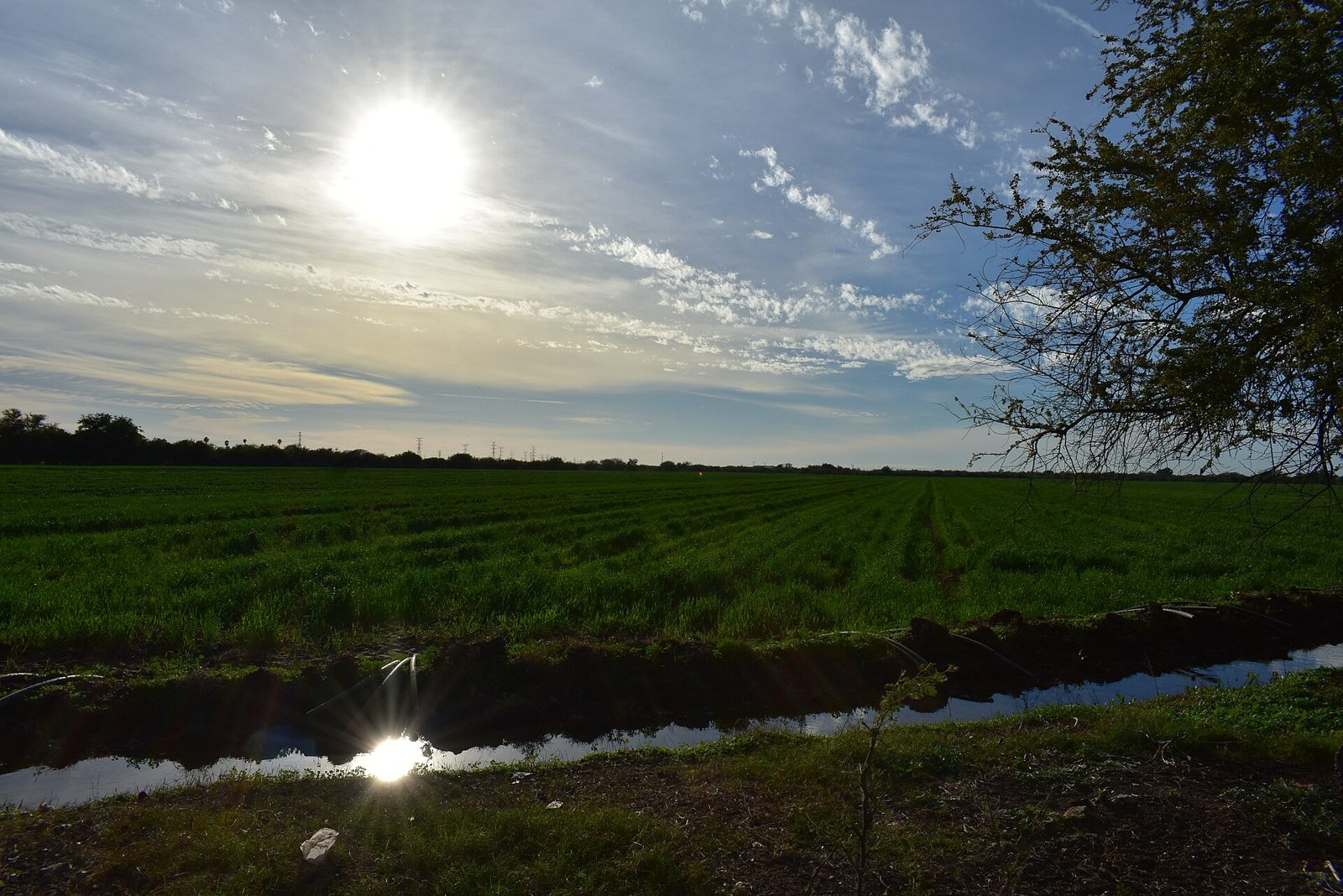
Farming takes place on the flat coastal lowlands. On the Pacific side (southern Sonora to northern Nayarit), you can sometimes see jagged mountains far off to the east. There is also flat farmland along the northeastern Gulf coast, but mountains are probably not visible there.
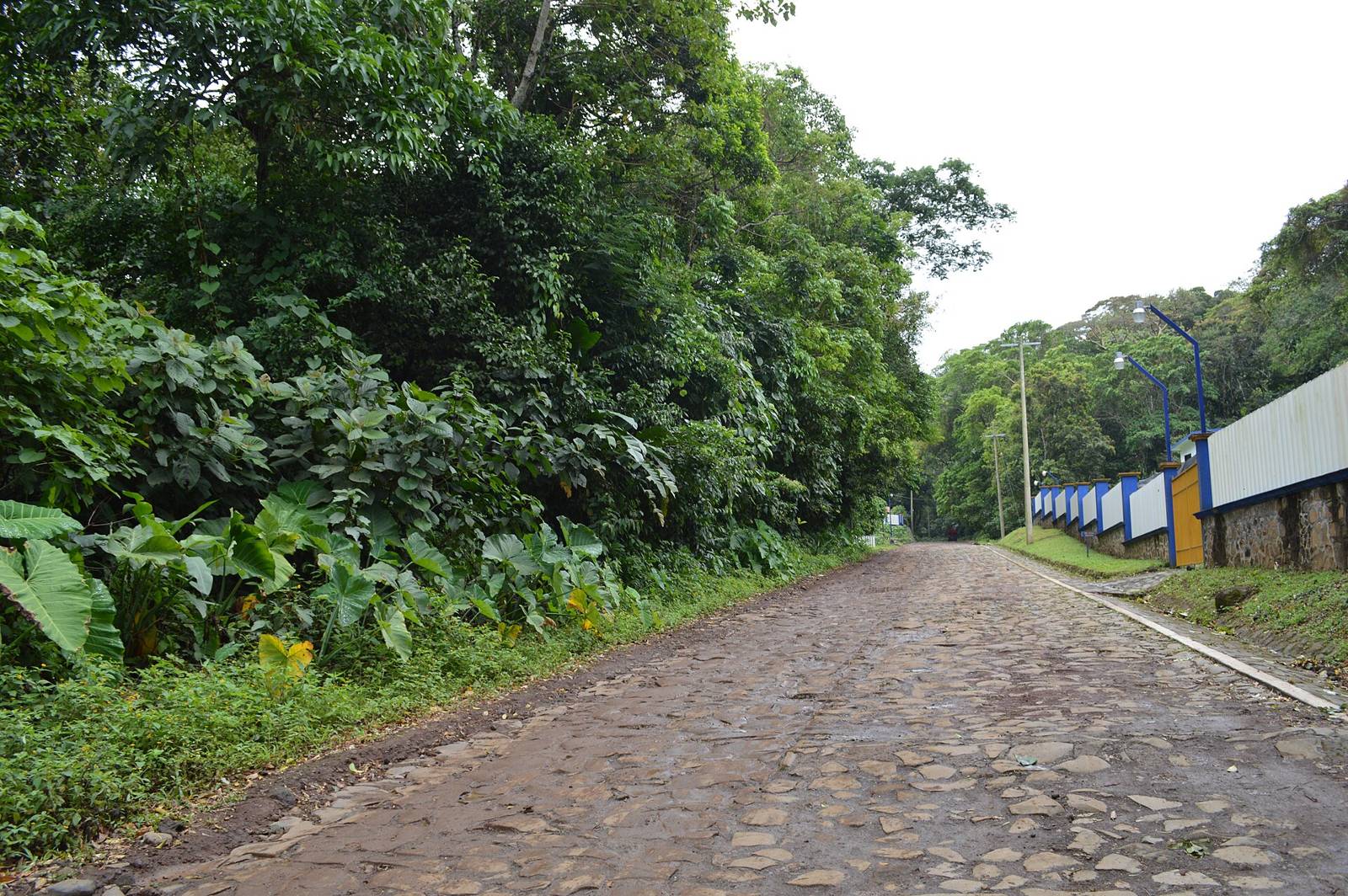
From Veracruz through Tabasco, there are places that look like Colombia, and reddish soil.
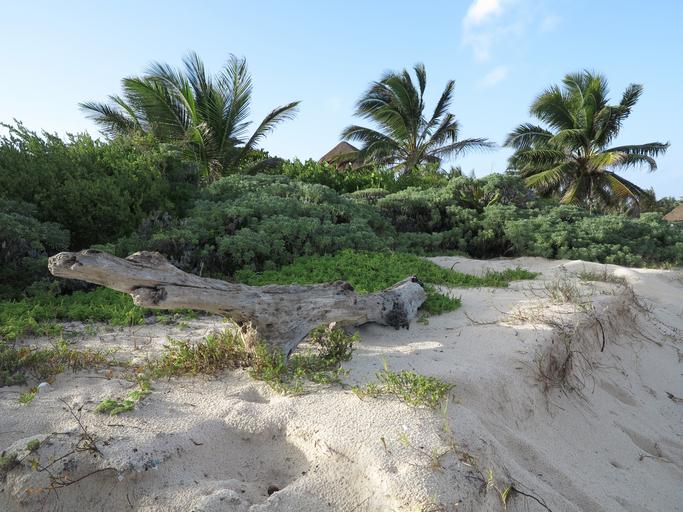
Central Monterrey is ringed by the steep limestone peaks of the Sierra Madre Oriental.
Where Vegetation clues apply6
Click an item to jump to its clueTap to show the range; tap again or → to jump to the clue
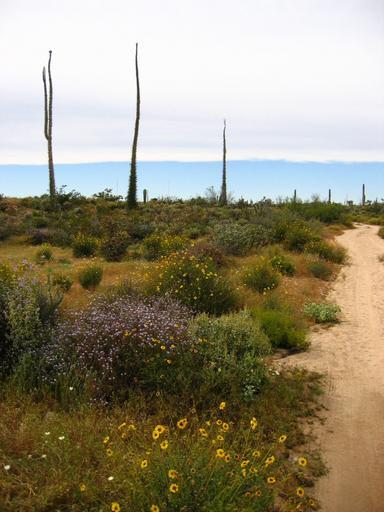
A tree with countless thin branches sprouting from a straight trunk (boojum tree, locally "cirio"). Limited to the middle of the Baja California peninsula, roughly from around San Quintín to the Tres Vírgenes volcanic complex.
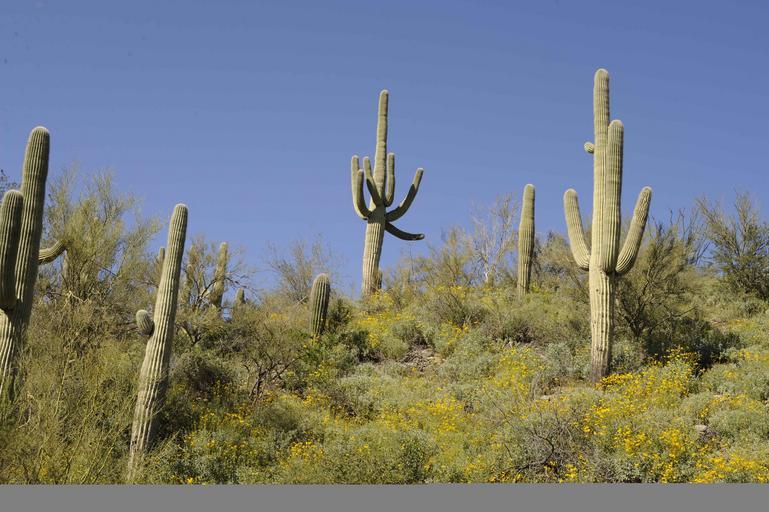
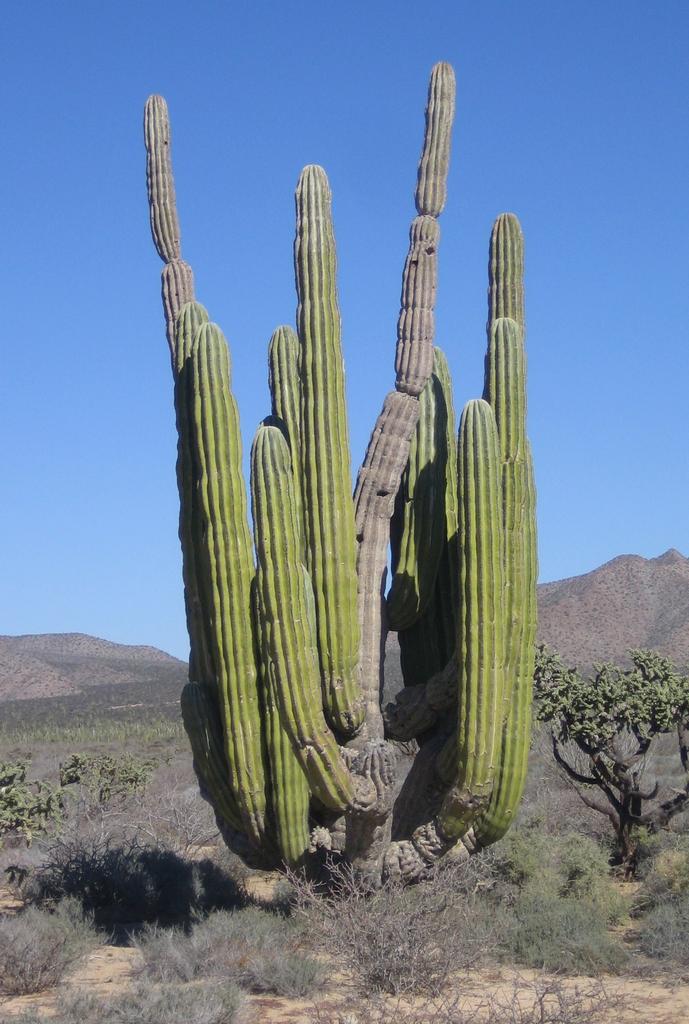
A tall, giant columnar cactus points to the northwest. If thick arms curve upward partway up the trunk, it's a saguaro, found almost exclusively in the western half of Sonora. If several thick columns branch off near the base, it's a cardón, native to the Baja California peninsula and Sonora.
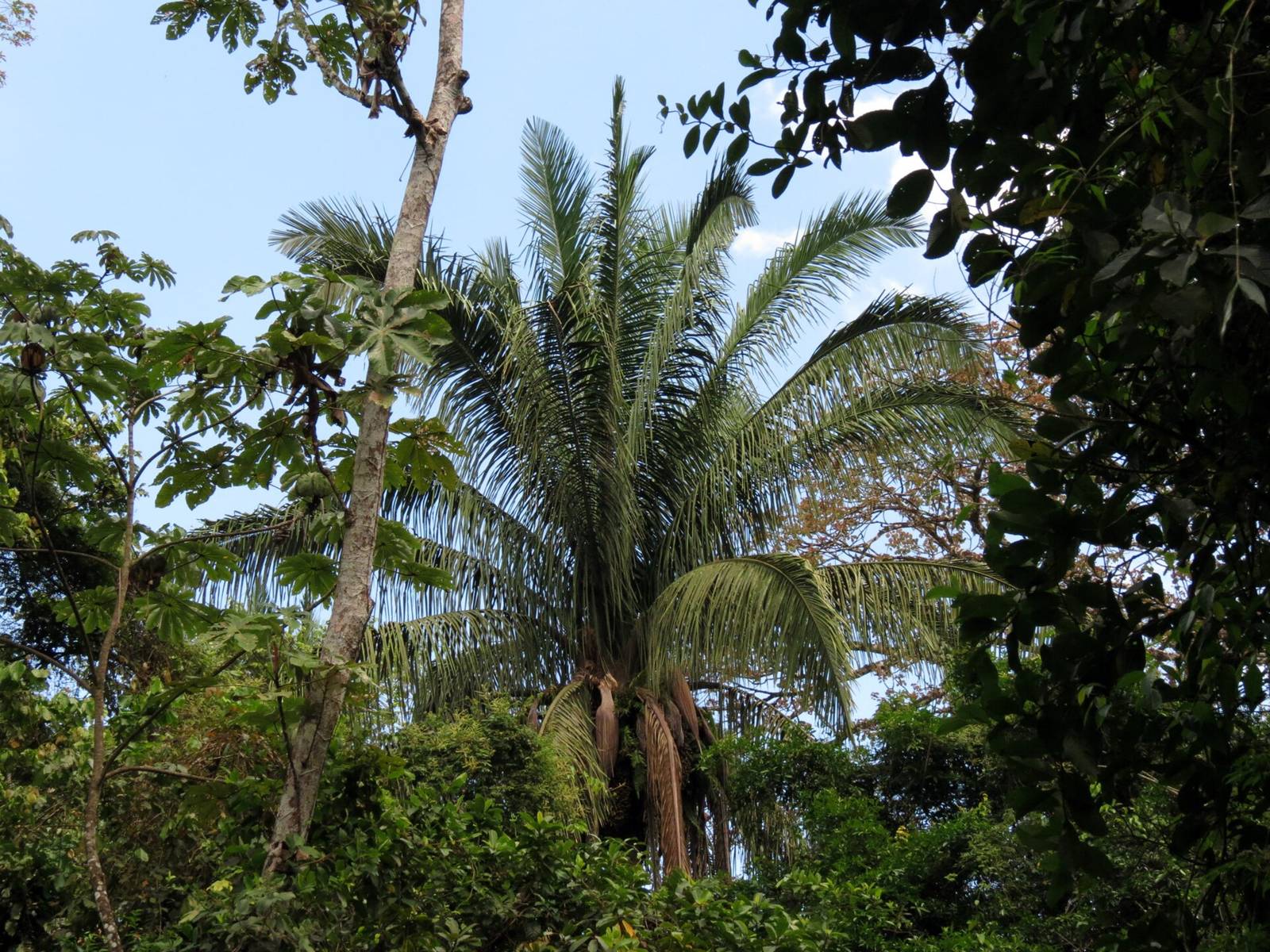
A large palm whose feathery leaves, up to 7m long, curve upward like an umbrella (corozo, Attalea rostrata). Found on the Gulf side from southern Tamaulipas to Campeche, forming dense stands in humid savanna.
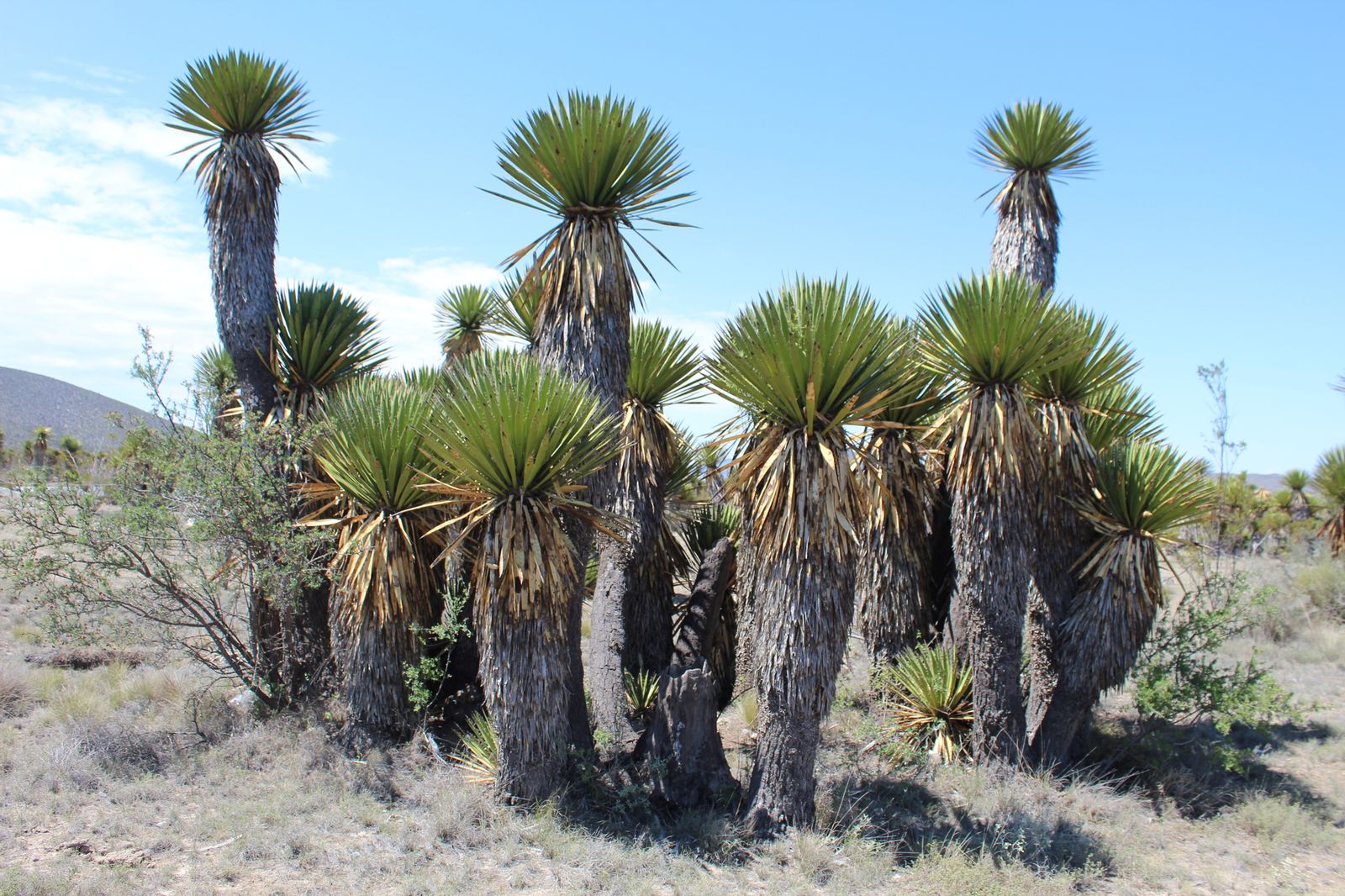
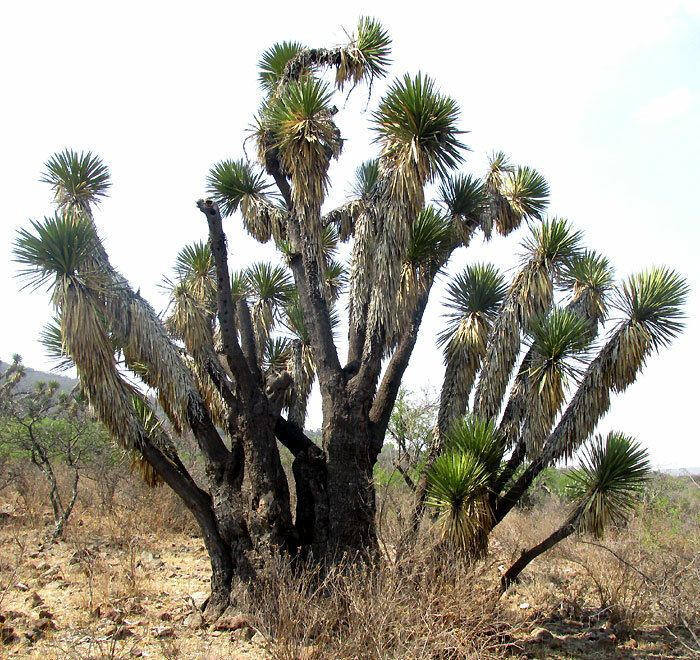
A tree whose thick trunk branches repeatedly near the top, each branch ending in a bundle of stiff leaves (palma china, Yucca filifera) — a Mexican endemic. It's common in the dry ground of the Mexican Plateau.
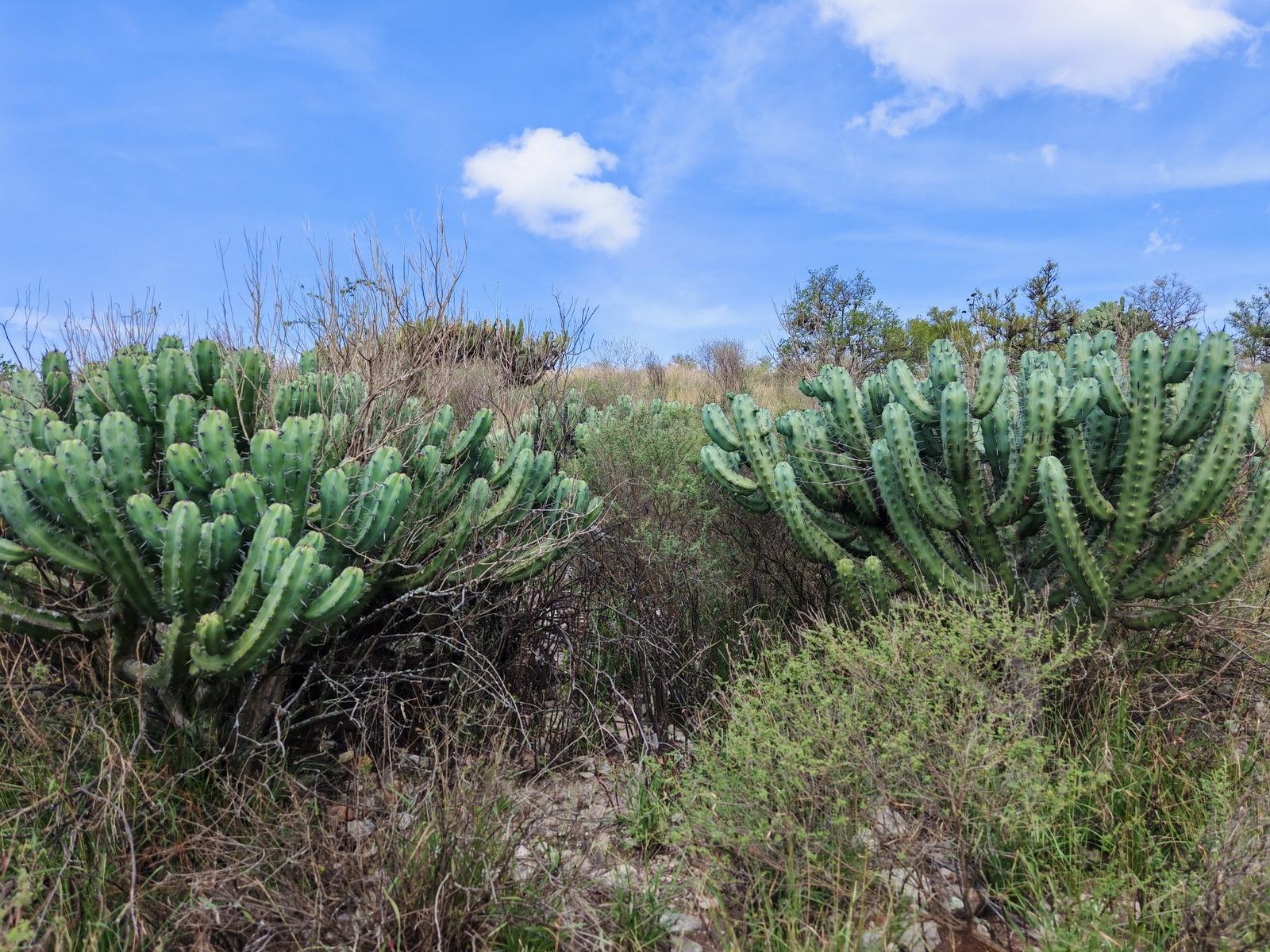
A cactus 2–7m tall (garambullo) whose bluish-green columns rise from ground level in a candelabra-like shape. Each column has 6–8 ribs with gray spines. Widely distributed across dry ground in the center and north of the country.
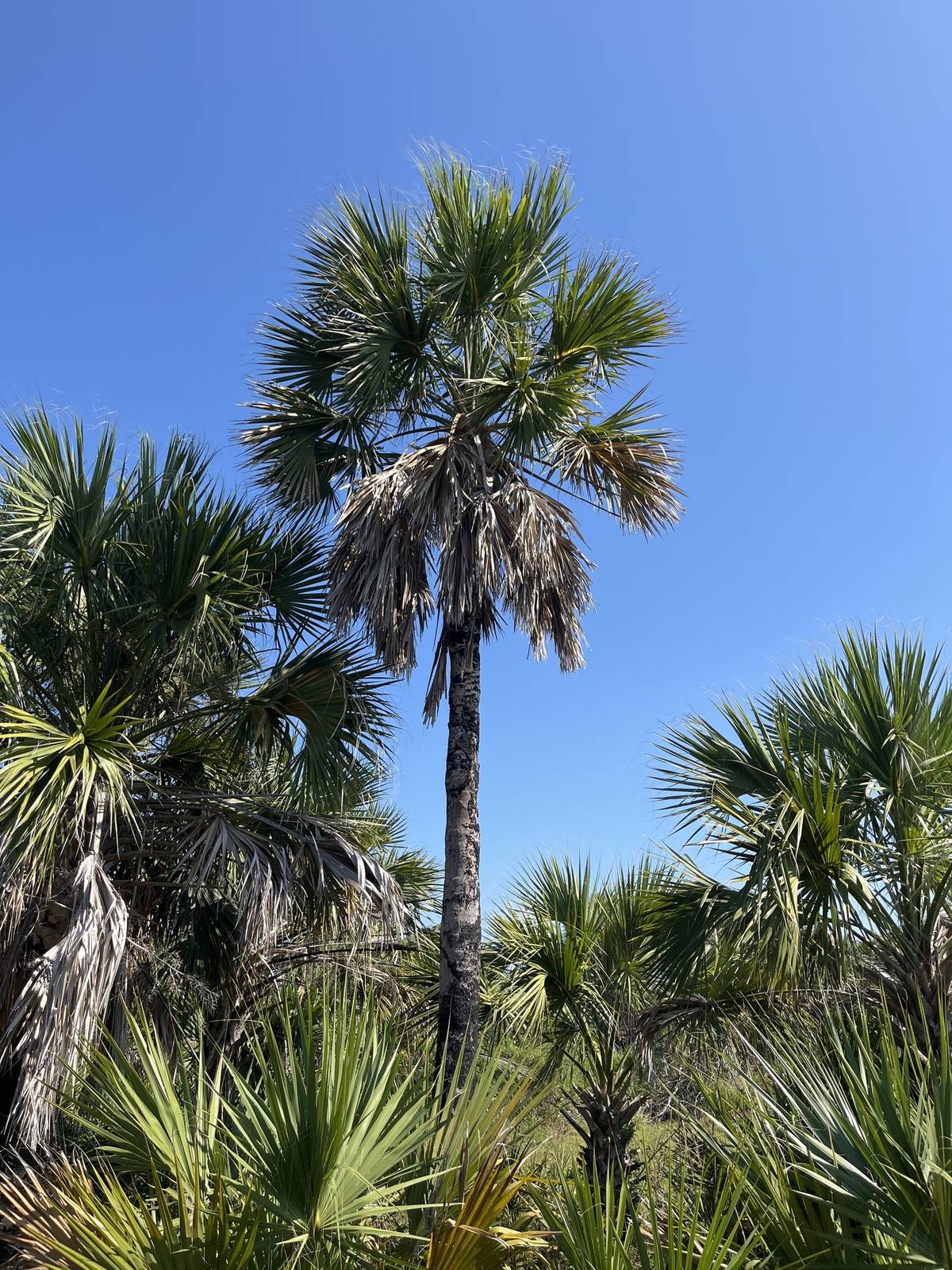
A palm whose fan-shaped leaves radiate outward, forming a rounded, ball-like crown (Mexican palmetto, Sabal mexicana). On the Gulf coast it runs from Tamaulipas to the Yucatán Peninsula; on the Pacific coast, it is common from Nayarit southward.
Where Agriculture clues apply7
Click an item to jump to its clueTap to show the range; tap again or → to jump to the clue
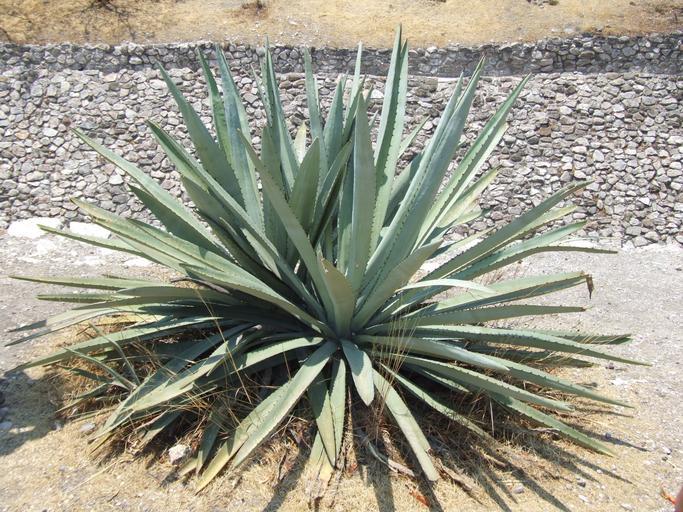
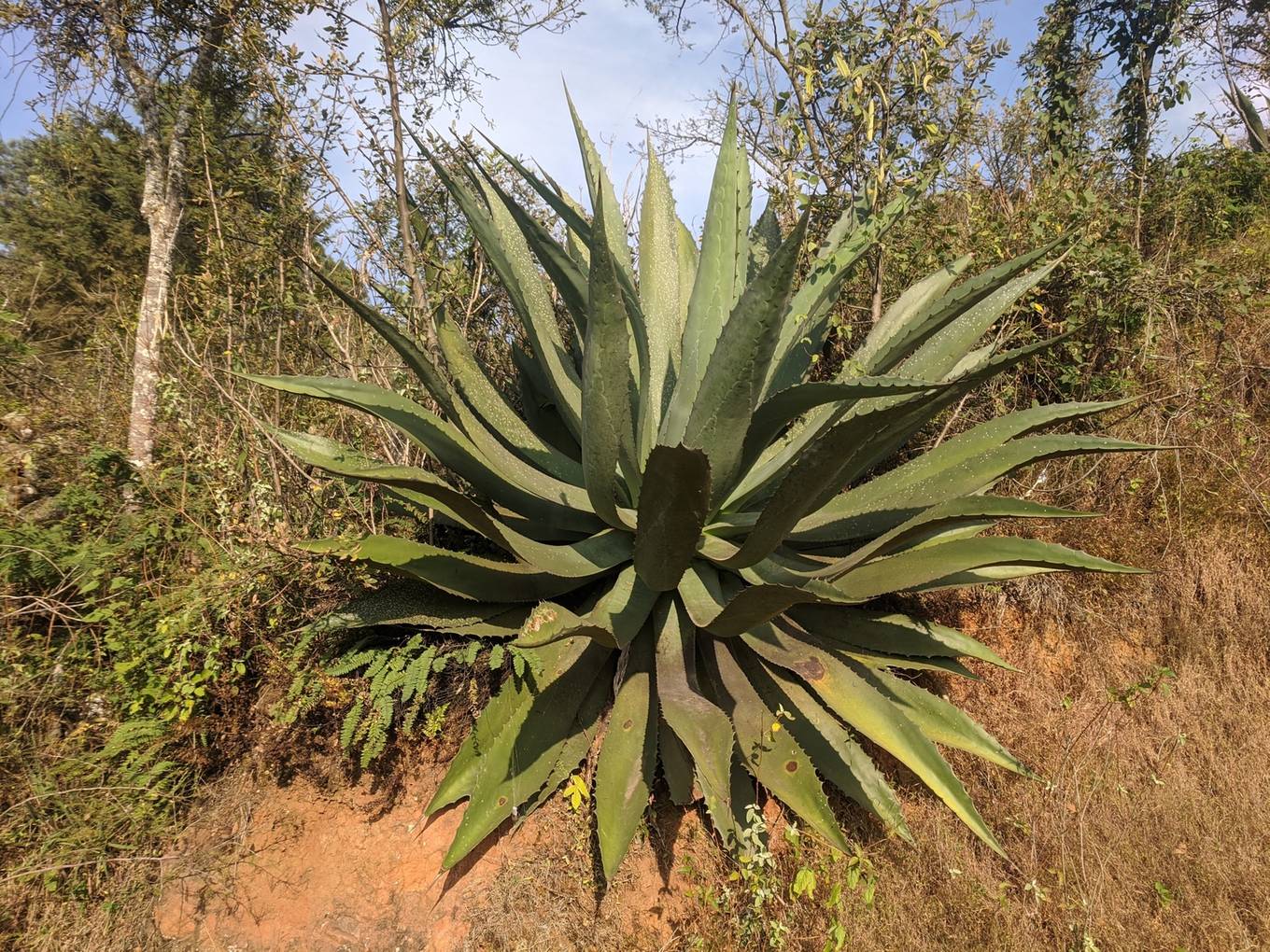
If agave is planted in rows or along field borders, work out where it's from by the leaf colour and shape. A field densely packed with narrow, spiny, blue-gray leaves along the furrows is grown for tequila, centred on Jalisco (the Tequila Valley tends to come paired with reddish volcanic soil). A large agave with wide, thick leaves that curve outward (maguey pulquero) is grown for pulque, common on the high, dry plateau of Hidalgo and Tlaxcala.
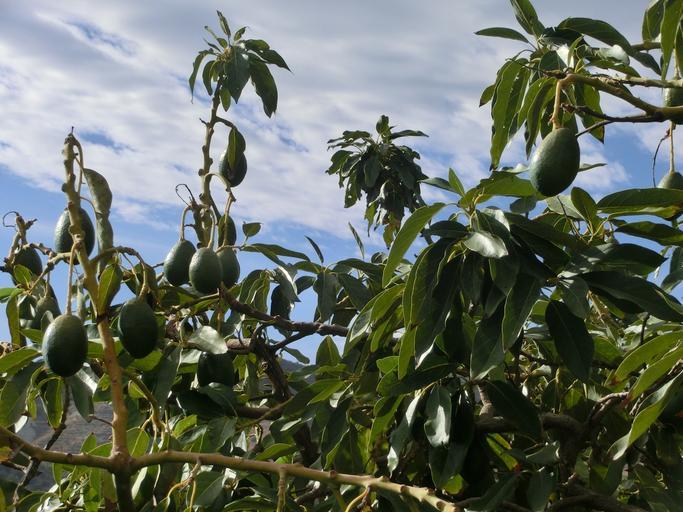
Avocado orchards, with dark-green evergreen trees planted at even spacing on slopes. Michoacán accounts for about 75% of national production.
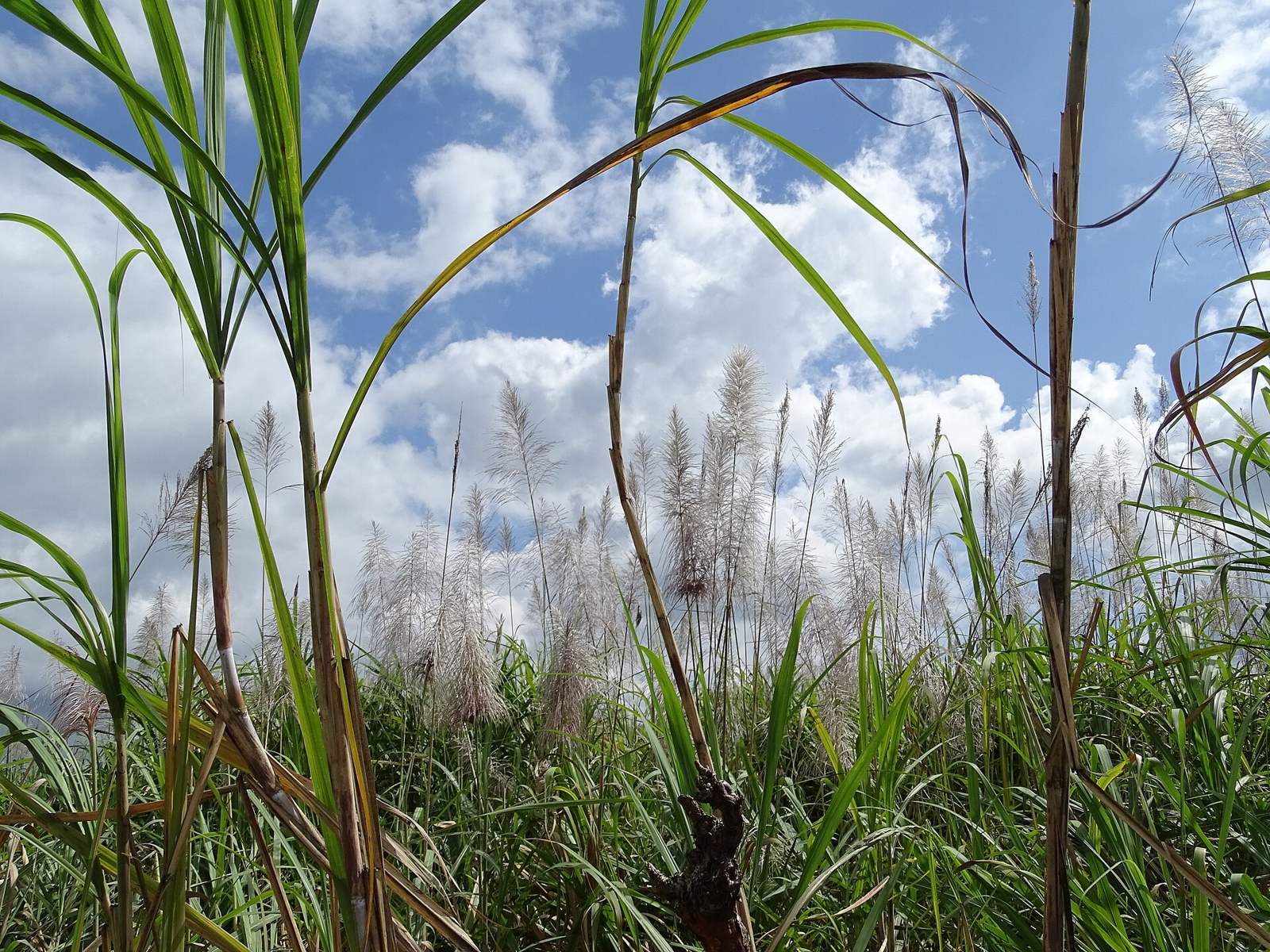
Tall sugarcane fields are most common in Veracruz, which accounts for about 37% of national sugar production. Jalisco and San Luis Potosí follow, among others.
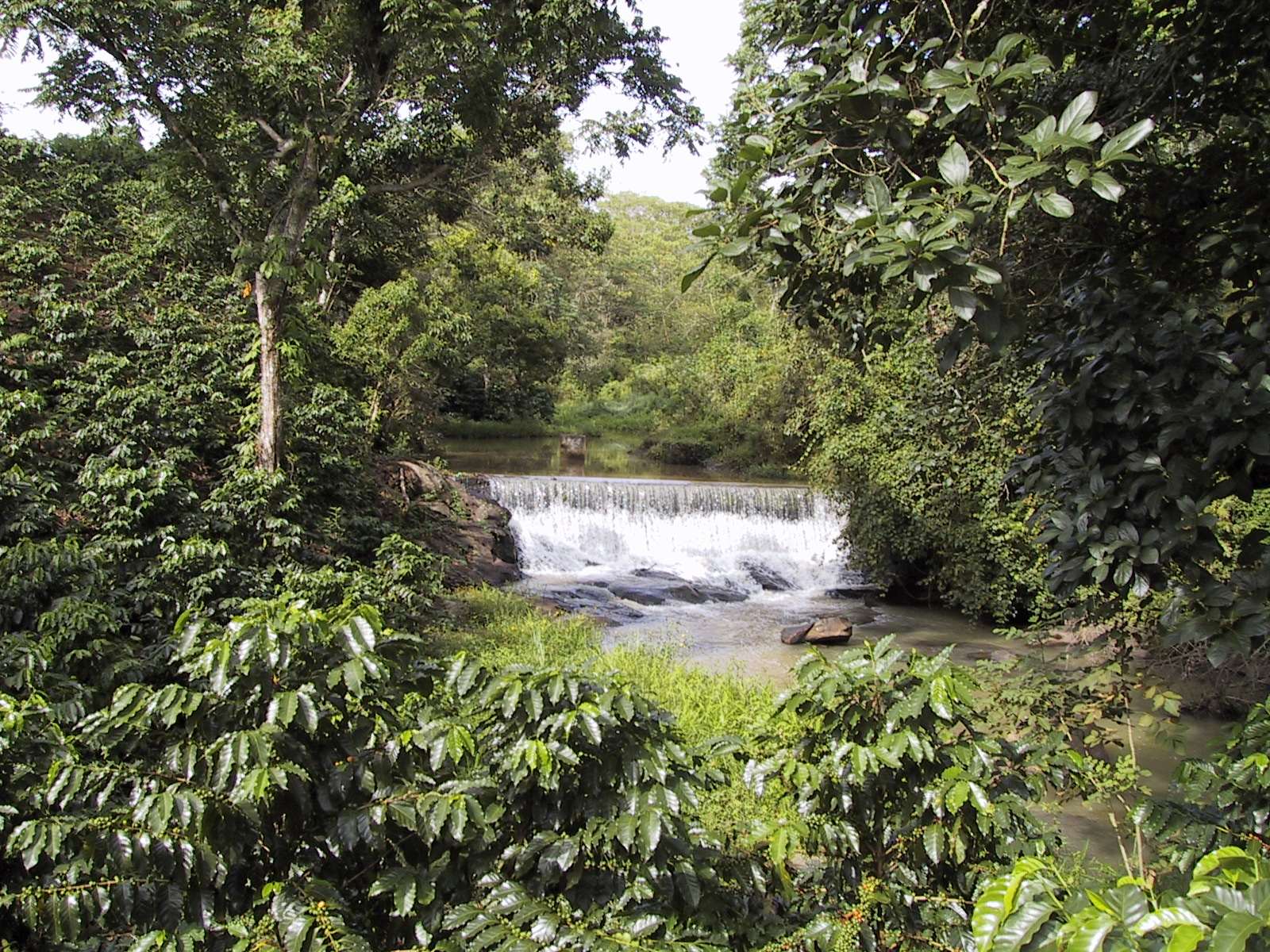
Coffee plantations, with short trees planted under shade trees, are most common on mountain slopes above 600m elevation. Chiapas is the largest producer, followed by Veracruz and Puebla.
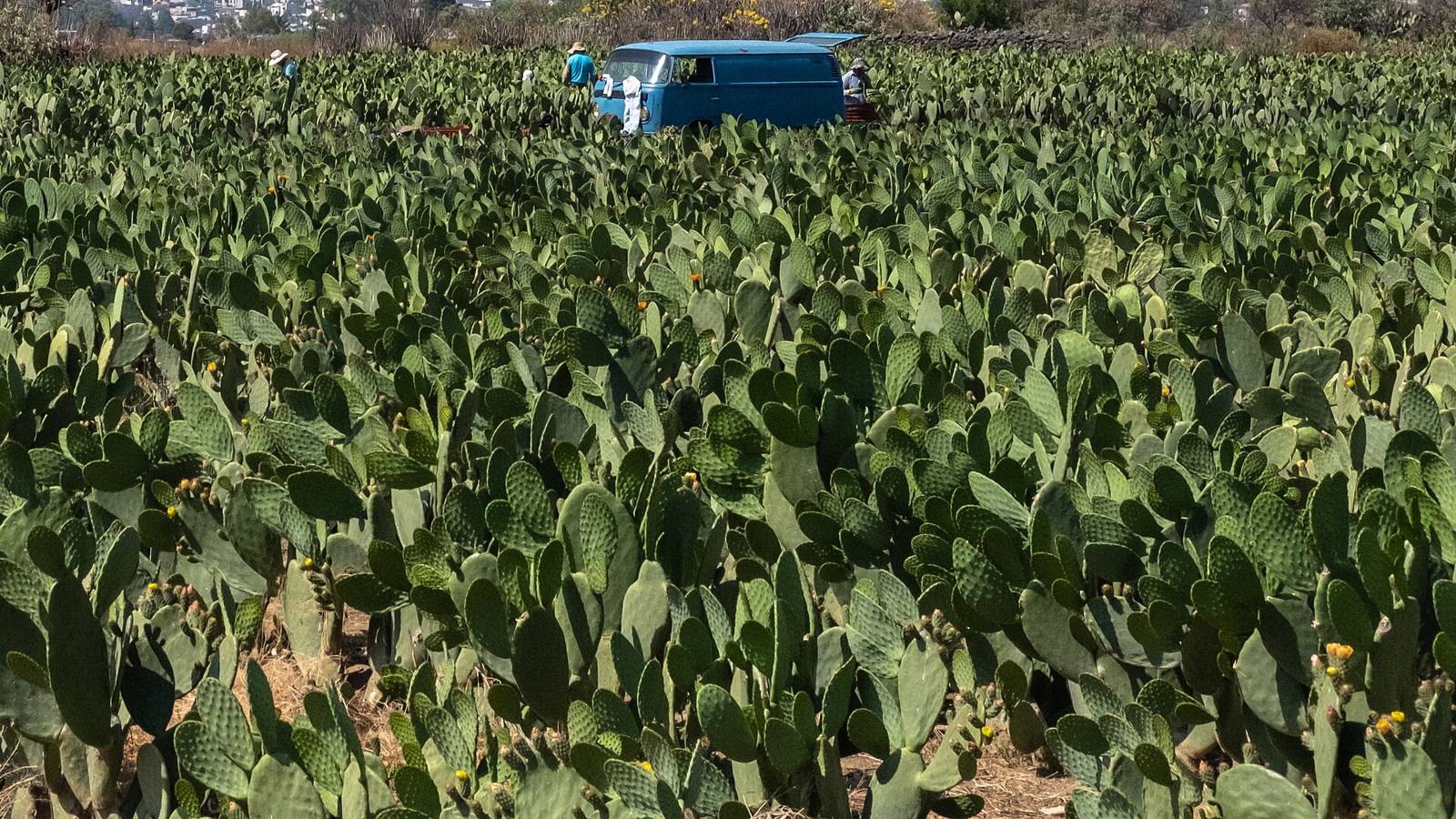
Fields with prickly pear cactus (nopal) planted in rows like an orchard crop. The State of Mexico is the largest producer of the fruit (tuna), with the rest coming from Puebla, the San Luis Potosí–Zacatecas plateau and elsewhere.
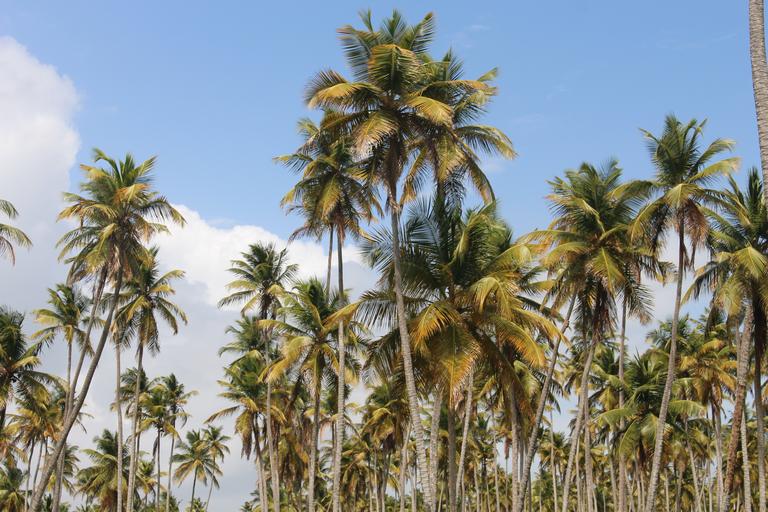
There are coconut plantations along Guerrero's coast. They're fairly rare elsewhere, but not impossible.
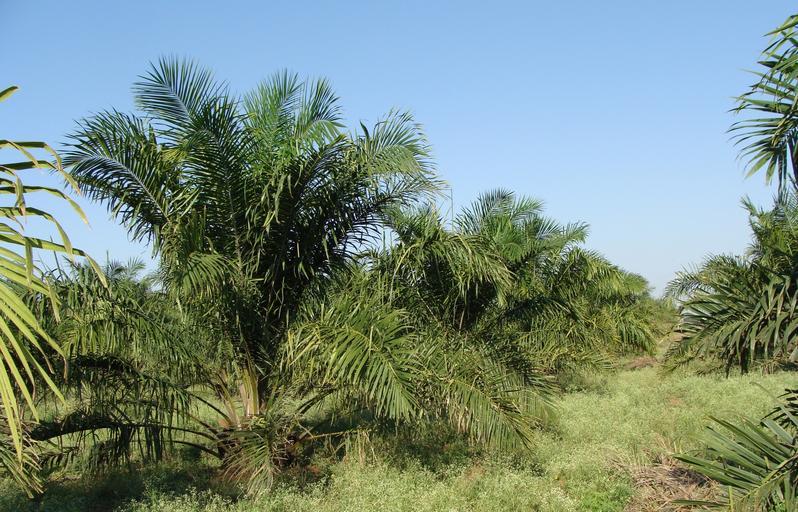
There are oil palm plantations in Chiapas and along Highway 186.
Once you know the region: which city or town

Mexico City's taxis are pink and marked "CDMX."
Because American tourists fly into towns around Quintana Roo, English signage is likely to be common there. The surrounding trees are also distinctive.

Holbox, an island off the north coast of the Yucatán Peninsula, bans vehicles from entering and has no paved roads, so golf carts and buggy-like vehicles dominate; ordinary cars are rare.

Isla Mujeres, a resort island near Cancún, has a lot of buggies.


No clues for this category and place yet.
Hover a region on the map to see its name


Mexico's largest Coca-Cola bottler and one of the biggest in Latin America.
Latin America's largest telecom group, with major mobile operations across the region.